
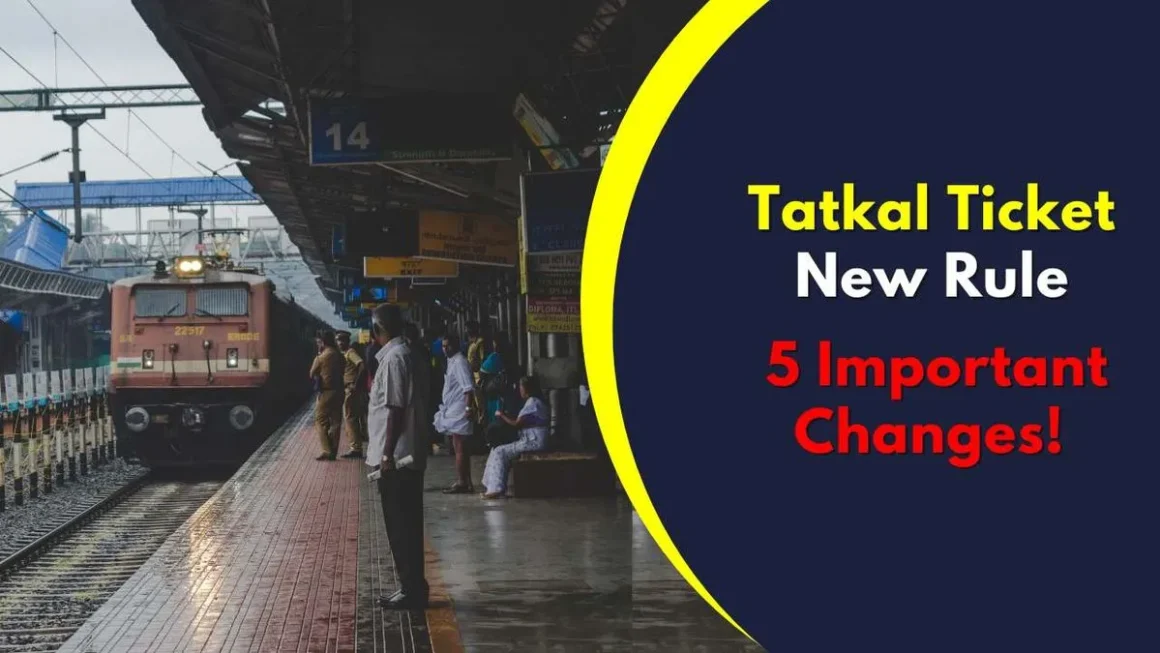
Several practical changes affecting everyday services in India take effect from August 1. These include updates to Tatkal ticket booking at certain railway counters, the rollout of an upgraded Central KYC system, and adjustments in banking and credit card related practices. Understanding the details helps passengers, account holders, and card users prepare and avoid last-minute inconvenience.
New Token System for Tatkal Ticket Booking
Indian Railways is introducing a revised token system for Tatkal ticket bookings at reservation counters under the West Central Railway zone, effective August 1, 2026. The change aims to reduce long queues, improve order at counters, and limit the influence of unauthorized agents.
Under the new arrangement, tokens will be issued in specific time windows that align more closely with Tatkal booking hours. For air-conditioned classes, tokens will be distributed between 8:30 a.m. and 9:00 a.m. For non-air-conditioned classes, the window will be 9:00 a.m. to 9:30 a.m. Each reservation counter is expected to issue a limited number of tokens—approximately 10 for AC classes and 15 for non-AC classes—during these periods.
Passengers planning to book Tatkal tickets at physical counters in the affected zone should arrive according to the new timings rather than lining up much earlier. The system is designed to make the process more structured and transparent. Online booking through official channels remains available and continues to follow existing Tatkal rules and opening times. Travelers are advised to check the latest instructions at their specific station, as implementation details may vary slightly by location within the zone.
CKYC 2.0: Streamlined Identity Verification
A significant upgrade to the Central Know Your Customer framework, known as CKYC 2.0, begins rolling out around August 1, 2026. Banks and insurance companies are among the first institutions to adopt the revised system, with other financial entities expected to join in phases later.
CKYC 2.0 enables customers to complete identity verification once and then share the verified record with other participating institutions through a consent-based process. Customers receive or use a unique identifier linked to their central KYC record. When approaching a new bank, insurer, or later a mutual fund or brokerage, they can provide this identifier and approve access via an OTP. The institution then retrieves the existing verified details instead of requiring the customer to submit the same identity documents repeatedly.
The upgraded system moves toward real-time, API-based data sharing rather than older batch processes. For individuals who maintain relationships with multiple financial institutions, this should reduce paperwork and speed up onboarding or updates. Existing customers with valid KYC records generally do not need to undergo a fresh full verification immediately. However, institutions may still request confirmation or additional information in specific cases to meet regulatory requirements.
The framework is being implemented jointly under the oversight of relevant financial regulators. Full benefits will depend on the quality of existing records and the pace at which institutions integrate the new processes. Customers opening new accounts or purchasing insurance products in or after August may notice the option to use their CKYC details with consent.
Banking and Credit Card Related Adjustments
Alongside the KYC changes, several banks are implementing updates to service charges, alert fees, and credit card frameworks around the same period. These adjustments can include revisions to reward point structures, fee schedules, and conditions attached to benefits such as lounge access or other privileges.
Cardholders may see changes in how points are earned or redeemed, thresholds for certain benefits, or charges related to specific transactions. Some institutions are also reviewing SMS and alert-related fees. Because these modifications are determined at the individual bank or card-issuer level, the exact impact varies. Customers are encouraged to review communications from their banks and card providers, check updated terms and conditions, and note any revision in reward rates or annual fees that take effect in August.
Staying informed allows users to adjust spending patterns if necessary or explore whether alternative products better match their needs under the revised terms. Those who rely heavily on reward points or specific card benefits should pay particular attention to notifications received in the weeks surrounding the change date.
Practical Steps for Users
Passengers intending to use Tatkal counters in the West Central Railway area should note the new token distribution timings and plan arrival accordingly. Keeping identity documents ready and understanding the limited token numbers per counter will help manage expectations.
For financial services, customers can locate their CKYC identifier if already allotted and be prepared to use OTP-based consent when requested by banks or insurers. Reviewing recent emails, SMS messages, or app notifications from banks and credit card issuers will clarify any fee or reward changes specific to individual accounts.
It is advisable to rely on official railway announcements, bank communications, and regulator-backed information rather than unofficial forwards. Rules and implementation details can receive clarifications closer to the effective date.
Broader Context of the Changes
These updates reflect ongoing efforts to improve service efficiency, reduce friction in customer processes, and strengthen verification standards. The Tatkal token system addresses practical crowding issues at counters. CKYC 2.0 aims to create a more seamless yet secure identity framework across financial products. Banking and card adjustments form part of routine commercial revisions that institutions periodically implement.
Taken together, the changes taking effect from August 1 affect travel planning, account opening or updates, and the ongoing cost and benefits of credit cards. Awareness and timely review of personal bookings, KYC status, and card terms will help individuals navigate the transition smoothly and continue using these services with minimal disruption.
Read more – casinopeers.com
