
The “glass skin” trend continues to dominate the global beauty industry in 2026, evolving from a K-beauty concept into a universal skincare philosophy. Originally popularized in South Korea, glass skin refers to a complexion that appears intensely hydrated, smooth, poreless, and luminous—almost translucent like glass. Unlike heavy makeup trends, glass skin emphasizes skincare over coverage, focusing on long-term skin health rather than temporary cosmetic effects.
Dermatological research consistently supports the principles behind this trend: maintaining a healthy skin barrier, consistent hydration, gentle exfoliation, and sun protection are key to achieving radiant skin. In 2026, the glass skin movement has shifted toward minimalist routines, barrier repair, and ingredient transparency, making it more sustainable and skin-friendly. Below is a detailed guide to understanding and achieving the glass skin look safely and effectively.
Table of Contents
ToggleWhat Is Glass Skin?
Glass skin describes a complexion that looks exceptionally smooth, even-toned, hydrated, and reflective. The skin appears plump and dewy without visible dryness, flakiness, or texture irregularities. It is not about oily shine, but about balanced hydration and natural radiance.
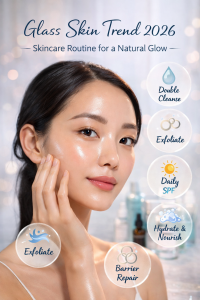
The concept is rooted in Korean skincare practices that prioritize layering lightweight hydrating products. Rather than masking imperfections, the goal is to improve skin texture and clarity from within. In 2026, dermatologists emphasize that glass skin is achievable through consistent care, not instant treatments. Healthy skin barrier function, proper exfoliation, and daily sun protection remain the foundation of this trend.
Step 1: Double Cleansing for a Clean Base
Double cleansing remains a core element of the glass skin routine. This method involves using an oil-based cleanser first to remove sunscreen, makeup, and excess sebum, followed by a gentle water-based cleanser to eliminate dirt and impurities.
This two-step approach ensures that pores remain clear without over-stripping the skin. Maintaining a clean base prevents breakouts and dullness, both of which can interfere with achieving a smooth glow. In 2026, dermatologists continue to recommend sulfate-free, pH-balanced cleansers to preserve the skin’s natural barrier while thoroughly cleansing.
Step 2: Gentle Exfoliation for Smooth Texture
Exfoliation is essential for removing dead skin cells that cause dullness and uneven texture. Chemical exfoliants such as AHAs (alpha hydroxy acids) and BHAs (beta hydroxy acids) are commonly recommended because they provide controlled and even exfoliation.
However, moderation is crucial. Over-exfoliation can damage the skin barrier, leading to redness and sensitivity. Experts advise exfoliating one to two times per week, depending on skin type. Proper exfoliation enhances product absorption and contributes to the reflective smoothness associated with glass skin.
Step 3: Hydrating Toners and Essences
Hydration is the cornerstone of the glass skin look. Hydrating toners and essences are lightweight formulations designed to replenish moisture immediately after cleansing. These products often contain ingredients like hyaluronic acid, glycerin, and panthenol.
Layering hydration in thin layers helps maintain plumpness without heaviness. In 2026, skin barrier–supporting ingredients such as ceramides and centella asiatica are particularly popular for calming and strengthening the skin. Consistent hydration improves elasticity and enhances natural luminosity.
Step 4: Targeted Serums for Glow
Serums provide concentrated treatment for specific concerns such as pigmentation, dullness, or fine lines. Vitamin C remains one of the most researched and widely recommended ingredients for brightening and antioxidant protection.
Niacinamide is also commonly used to improve skin tone and reduce the appearance of pores. In the glass skin routine, serums are applied after toner or essence to maximize absorption. Over time, targeted treatments improve clarity and evenness, contributing to a radiant and translucent complexion.
Step 5: Lightweight Moisturization
Moisturizers help seal in hydration and protect the skin barrier. For glass skin, lightweight gel or cream-based moisturizers are preferred, as they provide hydration without heaviness.
Proper moisturization prevents transepidermal water loss, ensuring that the skin remains plump and smooth. Even oily skin types require moisturization to maintain balance. In 2026, formulations focusing on microbiome support and barrier repair are trending, reflecting the growing awareness of skin health science.
Step 6: Sunscreen for Long-Term Radiance
No skincare routine is complete without sunscreen. UV exposure is one of the primary causes of premature aging, hyperpigmentation, and uneven texture. Daily use of broad-spectrum sunscreen protects the skin and preserves results achieved through other steps.
Glass skin relies on even tone and clarity, both of which can be compromised by sun damage. Applying sunscreen every morning and reapplying during prolonged sun exposure is essential. Consistent sun protection ensures that the natural glow remains intact over time.
The Role of Skin Barrier Health
In 2026, the focus of the glass skin trend has shifted strongly toward barrier health. The skin barrier protects against environmental stressors and prevents moisture loss. When compromised, the skin appears dull, irritated, or uneven.
Ingredients such as ceramides, fatty acids, and cholesterol are widely recommended to restore barrier integrity. Avoiding harsh treatments and excessive active ingredients helps maintain resilience. A healthy barrier enhances smoothness, clarity, and hydration—key characteristics of glass skin.
Minimal Makeup Approach
The glass skin trend encourages minimal makeup to allow natural radiance to shine through. Instead of heavy foundation, lightweight skin tints or sheer coverage products are used to enhance the complexion.
Highlighters and dewy finishes complement well-prepared skin but are not substitutes for proper skincare. The emphasis remains on skin health rather than cosmetic layering. In 2026, “skin-first beauty” continues to replace heavy contouring trends of previous years.
Lifestyle Factors That Enhance Glow
Achieving glass skin is not solely dependent on topical products. Adequate hydration, balanced nutrition, and quality sleep significantly impact skin appearance. Diets rich in antioxidants support collagen production and skin repair.
Stress management also plays a role, as chronic stress can trigger inflammation and breakouts. Consistency in lifestyle habits complements skincare efforts, leading to sustainable and natural radiance.
Common Mistakes to Avoid
One common mistake is over-layering too many active ingredients, which can irritate the skin and compromise the barrier. Another is neglecting sunscreen, which undermines the benefits of brightening treatments.
Using products unsuitable for your skin type can also hinder progress. Dermatologists recommend introducing new products gradually and performing patch tests to prevent adverse reactions. A balanced and mindful routine yields better results than aggressive treatments.
Conclusion
The glass skin trend in 2026 represents a refined and science-backed approach to skincare. Rather than chasing temporary shine, it prioritizes hydration, barrier health, gentle exfoliation, targeted treatment, and sun protection. The result is a smooth, luminous, and naturally glowing complexion.
By following a consistent routine and focusing on long-term skin health, glass skin becomes an achievable goal rather than an unrealistic standard. With patience, proper product selection, and healthy lifestyle choices, anyone can cultivate a radiant glow that reflects true skin wellness.
