
Celebrity culture has always played a powerful role in shaping public opinion, consumer behavior, and social trends. However, in the digital age, the influence of celebrity news and lifestyle movements has accelerated dramatically. With social media platforms, streaming services, and 24-hour news cycles, celebrities are no longer distant public figures — they are everyday digital presences shaping fashion, wellness, politics, and even technology adoption.
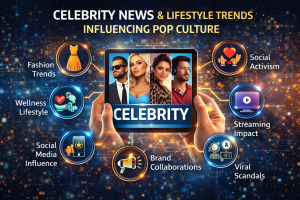
In 2025, celebrity influence extends beyond entertainment into lifestyle branding, activism, and cultural narratives. Below is a detailed exploration of how celebrity news and lifestyle trends continue to influence global pop culture.
1. The Rise of Social Media-Driven Celebrity Culture
Social media platforms have fundamentally changed how celebrities connect with audiences. Instead of relying solely on television interviews or magazine covers, celebrities now communicate directly with fans through Instagram, X, YouTube, and TikTok.
This direct access creates a sense of intimacy and authenticity. Fans feel more connected because they see daily routines, personal milestones, and behind-the-scenes content. Viral posts often spark global trends within hours, from fashion choices to political statements. As a result, celebrity news spreads faster than ever, and lifestyle preferences showcased online quickly become mainstream cultural movements.
2. Fashion and Beauty Trends Shaped by Celebrities
Fashion has always been influenced by celebrities, but today the speed of influence is unprecedented. Red carpet appearances, street style photography, and even airport looks can trigger global demand for specific brands and designs.
When celebrities launch beauty or fashion brands, these ventures often redefine industry standards. From inclusive makeup ranges to sustainable fashion lines, celebrity-backed products frequently set new consumer expectations. Social media amplification ensures that a single viral outfit or beauty tip can shape seasonal trends worldwide. The fashion industry increasingly monitors celebrity behavior as a predictive indicator of upcoming consumer demand.
3. Wellness, Fitness, and Lifestyle Branding
Wellness culture has been heavily influenced by celebrity endorsements and personal routines. From plant-based diets and mindfulness practices to specific workout programs, celebrities often introduce health trends to mass audiences.
Lifestyle branding has also become central to celebrity identity. Many public figures now build empires around wellness products, fitness apps, skincare lines, and self-care philosophies. These endorsements and ventures influence consumer behavior because fans perceive celebrities as aspirational role models. However, this influence also raises conversations about authenticity and scientific credibility, as audiences become more critical of unsupported health claims.
4. Streaming Platforms and Global Pop Culture Expansion
The growth of streaming platforms has amplified celebrity reach beyond regional markets. Actors, musicians, and influencers now gain international recognition almost instantly through global distribution networks.
This globalization of entertainment has allowed cultural cross-pollination to thrive. Korean dramas, Latin music, and Indian cinema, for example, have achieved worldwide popularity due to digital streaming accessibility. Celebrity news from one region can trend globally within minutes. As audiences consume diverse content, global pop culture becomes more interconnected, with celebrities influencing trends across borders rather than within isolated markets.
5. Celebrity Activism and Social Movements
Modern celebrities increasingly use their platforms to advocate for social and political causes. From climate change awareness to gender equality campaigns, public figures play a visible role in shaping conversations around social justice.
This activism can mobilize millions of followers, raise funds for charitable initiatives, and bring attention to underrepresented issues. However, it also subjects celebrities to greater scrutiny. Audiences expect consistency and informed perspectives rather than symbolic gestures. In many cases, celebrity activism has contributed to mainstream awareness of major social movements, influencing policy discussions and public discourse.
6. Influence on Consumer Behavior and Brand Collaborations
Celebrity endorsements remain one of the most powerful marketing tools in the world. Research consistently shows that consumers are more likely to purchase products associated with admired public figures.
In 2025, brand collaborations go beyond traditional advertisements. Celebrities co-create products, invest in startups, and launch limited-edition collections that sell out within minutes. These collaborations create urgency and exclusivity, shaping buying patterns. Influencer marketing, which evolved from celebrity culture, now mirrors this model at multiple tiers. As a result, celebrity news often doubles as marketing momentum, directly impacting sales and brand positioning.
7. Digital Scandals and Reputation Management
With increased visibility comes increased vulnerability. Celebrity controversies spread rapidly in the digital era, often shaping public perception overnight.
Crisis management strategies have become crucial for maintaining public trust. Apology videos, clarifications, and strategic public appearances are carefully managed to rebuild reputation. Digital audiences are highly responsive and vocal, meaning that missteps can significantly influence a celebrity’s career trajectory. This dynamic demonstrates how celebrity news does not merely entertain — it can redefine public narratives and alter cultural conversations.
8. Technology Adoption and Trend Acceleration
Celebrities often act as early adopters of new technologies, accelerating mainstream acceptance. From cryptocurrency endorsements to virtual fashion and AI-powered creative projects, public figures help normalize innovation.
When influential personalities embrace new platforms or technologies, fans frequently follow. This trend-setting role positions celebrities as cultural bridges between emerging tech and everyday users. Whether launching NFTs, participating in metaverse events, or experimenting with AI-generated art, celebrity involvement speeds up public familiarity with technological shifts.
9. Redefining Fame in the Influencer Era
Traditional celebrity status once depended on film, television, or music careers. Today, digital creators and influencers achieve comparable fame through online platforms alone.
This shift has democratized pop culture influence. Viral creators, lifestyle vloggers, and niche content specialists now shape trends alongside mainstream actors and musicians. The boundaries between celebrity and influencer continue to blur. As audiences diversify their media consumption, fame is increasingly measured by engagement metrics rather than traditional media exposure.
Conclusion
Celebrity news and lifestyle trends remain powerful drivers of pop culture evolution. In 2025, the influence of celebrities extends beyond entertainment into fashion, wellness, activism, technology, and global commerce. Social media and streaming platforms amplify this impact, allowing trends to spread instantly across borders and demographics.
While celebrity culture brings inspiration and innovation, it also introduces challenges related to authenticity, responsibility, and digital accountability. As audiences grow more informed and discerning, the relationship between celebrities and the public continues to evolve.
Ultimately, pop culture reflects a dynamic interplay between public figures and society. Celebrities influence trends, but they also respond to audience expectations and global movements. In this interconnected digital era, celebrity news is no longer just entertainment — it is a significant force shaping modern cultural identity.
