
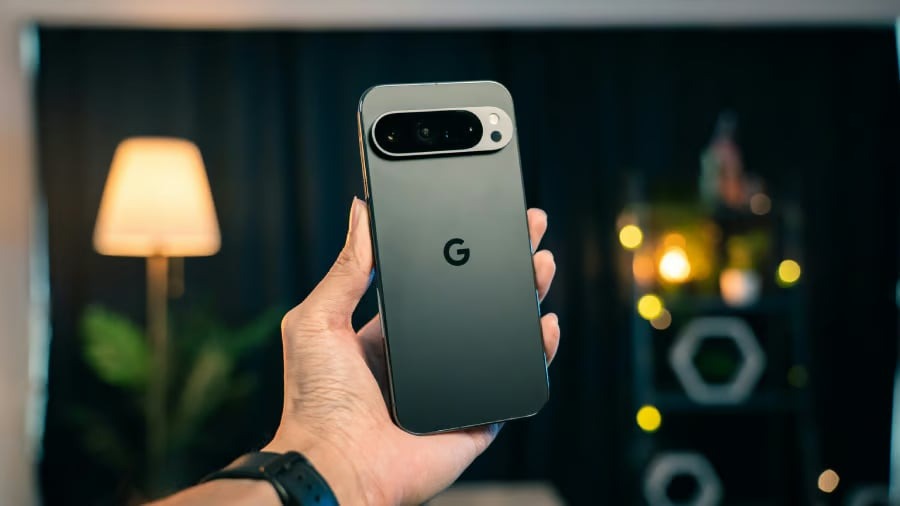
A Bigger Price Tag Is Finally Here
Google has officially confirmed that the Pixel 11 lineup will cost more than previous generations, and the reason sounds surprisingly simple. Memory prices have climbed across the global electronics market, making it much more expensive to build modern smartphones. That one change alone has pushed manufacturing costs higher than many companies expected during early planning.
For buyers, this means the next Pixel phone may arrive with a higher starting price even before considering storage upgrades or premium features. The increase is not only about branding or marketing decisions anymore. Hardware costs have become difficult to ignore, especially when memory suppliers continue raising prices throughout the industry.
Why RAM Prices Suddenly Matter So Much
Random Access Memory, usually called RAM, is one of the most important parts inside every smartphone. Applications open faster because of it. Games perform better because of it. Background tasks stay active because of it. Modern artificial intelligence features also depend heavily on larger memory capacities.
During the last year, demand for advanced memory chips increased sharply. AI devices, cloud servers, laptops, and smartphones all compete for the same supply. Manufacturers now pay significantly more for high-performance memory modules than they did only a short time ago.
When millions of phones are produced every year, even a small increase in RAM pricing can add millions of dollars to production expenses. Eventually those costs find their way into the final retail price.
Google Faces The Same Industry Problem
Google is not operating in a separate world where component prices stay low. The company purchases parts from suppliers that also work with other smartphone brands. If RAM manufacturers raise prices, Google pays more just like everyone else.
That creates a difficult balance between profit margins and customer expectations. Companies can either absorb the extra cost or increase phone prices. Neither choice is particularly attractive because profits shrink in one case while customer demand may slow in the other.
Reports suggest Google decided that maintaining product quality mattered more than freezing prices. Instead of reducing specifications, the company accepted a higher retail price for the Pixel 11.
AI Features Need More Powerful Hardware
Artificial intelligence has become one of the biggest selling points for premium smartphones. Features like real-time translation, advanced photo editing, voice summarization, and smart assistants all require larger amounts of memory.
Earlier smartphones worked comfortably with smaller RAM capacities. Today’s flagship devices regularly include twelve or sixteen gigabytes because AI workloads consume much more memory than traditional applications.
That trend is unlikely to reverse anytime soon. Every software update introduces more intelligent features, which means future smartphones may continue demanding larger memory configurations.
Manufacturing Costs Continue Rising Everywhere
RAM is only one piece of the puzzle. Smartphone makers also face higher expenses for processors, displays, batteries, camera sensors, shipping, and labor. Each category has experienced some level of inflation over recent years.
When several expensive components increase together, companies have fewer opportunities to reduce production costs elsewhere. Premium devices naturally become more expensive because every upgraded component contributes something to the final price.
Consumers often notice only the retail number, but behind that figure sits an enormous supply chain involving hundreds of manufacturers across multiple countries.
Pixel 11 Still Aims To Deliver Premium Value
A higher price does not automatically make a phone a poor purchase. Buyers usually evaluate value rather than price alone. If the Pixel 11 delivers stronger cameras, longer software support, improved battery efficiency, and better AI performance, many users may still consider it worth buying.
Google has built a reputation around software experiences instead of chasing the highest hardware numbers. The Pixel series often competes through photography, clean Android updates, and exclusive AI features rather than raw benchmark scores.
That strategy will probably remain unchanged despite the pricing adjustment.
Consumers May Delay Upgrades
One possible consequence of rising smartphone prices is slower upgrade cycles. Many people already keep their phones for four or five years instead of replacing them every two years.
If flagship devices continue becoming more expensive, buyers could wait even longer before purchasing new models. Better battery replacements, software updates, and repair options also encourage users to extend the life of existing devices.
This behavior affects manufacturers because fewer annual upgrades mean lower overall sales volumes.
Other Smartphone Brands Could Follow
Google may not remain the only company increasing prices. Samsung, Apple, Xiaomi, OnePlus, and several other brands purchase similar memory components from many of the same suppliers.
If RAM prices remain elevated, competing manufacturers may introduce higher prices for upcoming flagship phones as well. Some companies might avoid direct increases by removing accessories, limiting storage options, or reducing promotional discounts instead.
Either way, consumers should probably prepare for premium smartphones becoming more expensive over the next few product generations.
Should Buyers Wait Or Purchase Now
The answer depends on individual needs more than anything else. Someone using an older phone with poor battery life or outdated software may benefit from upgrading regardless of price increases.
Users already carrying a recent flagship device may not notice dramatic everyday improvements from moving immediately to the Pixel 11. Waiting for seasonal discounts or holiday promotions could provide better overall value.
Price increases often look dramatic during launch events, but market competition usually creates discounts several months after release.
Memory Suppliers Hold More Influence Than Many Realize
Very few companies manufacture advanced smartphone memory at the scale needed for global production. Limited suppliers naturally have stronger pricing power whenever demand exceeds available supply.
The rapid growth of artificial intelligence servers has intensified this situation because data centers purchase enormous quantities of advanced memory chips. Smartphone manufacturers now compete directly with enterprise customers for similar production capacity.
That competition creates pricing pressure across nearly every electronics category, not only mobile phones.
The Smartphone Market Is Entering A Different Phase
The days of dramatic annual price reductions appear largely over. Technology continues improving, but advanced hardware also costs more to develop and manufacture.
Consumers now expect premium cameras, AI processing, brighter displays, satellite communication, stronger security, and longer software support inside every flagship device. Meeting those expectations requires increasingly sophisticated components.
Companies therefore face a challenging environment where innovation must continue while production costs keep rising. The Pixel 11 price increase reflects broader industry economics rather than a single isolated business decision.
Conclusion
Google’s confirmation of a higher Pixel 11 price highlights a reality affecting the entire smartphone industry. Rising RAM costs, increasing demand for AI hardware, and growing manufacturing expenses have combined to reshape flagship pricing strategies. While paying more is never welcome, the additional cost also supports more powerful hardware and advanced software experiences that modern users increasingly expect. Buyers should compare features, software support, and long-term value instead of focusing only on the launch price. Understanding why prices rise helps consumers make smarter purchasing decisions in a rapidly changing technology market.
Read More :-
