A New Chapter for Indian Education
India’s education system has always carried huge expectations from students, parents, and teachers together. Every year millions of learners prepare for competitive exams while also trying to understand classroom subjects. That pressure has created a culture where finishing the syllabus often matters more than truly understanding it. Now artificial intelligence is changing this familiar picture. The idea of mastery learning is becoming more important because AI makes personalized education possible in ways that were difficult before. Instead of asking everyone to learn at the same speed, schools can now help students move forward only after building strong understanding. That sounds simple, yet it could completely reshape how classrooms work across the country.
Understanding Mastery Learning Beyond Marks
Many people think learning is successful when a student scores high in examinations. That belief has stayed around for decades. Mastery learning looks at education differently. The focus is not on rushing toward the next lesson. Instead, students continue practicing until they fully understand a topic before moving ahead. Some learners need extra examples while others need more practice questions. Both situations are perfectly normal. Every student learns differently, and that difference should not become a weakness. When knowledge becomes deeper instead of temporary, students remember concepts longer and apply them with much greater confidence later.
Artificial Intelligence Is Changing the Classroom
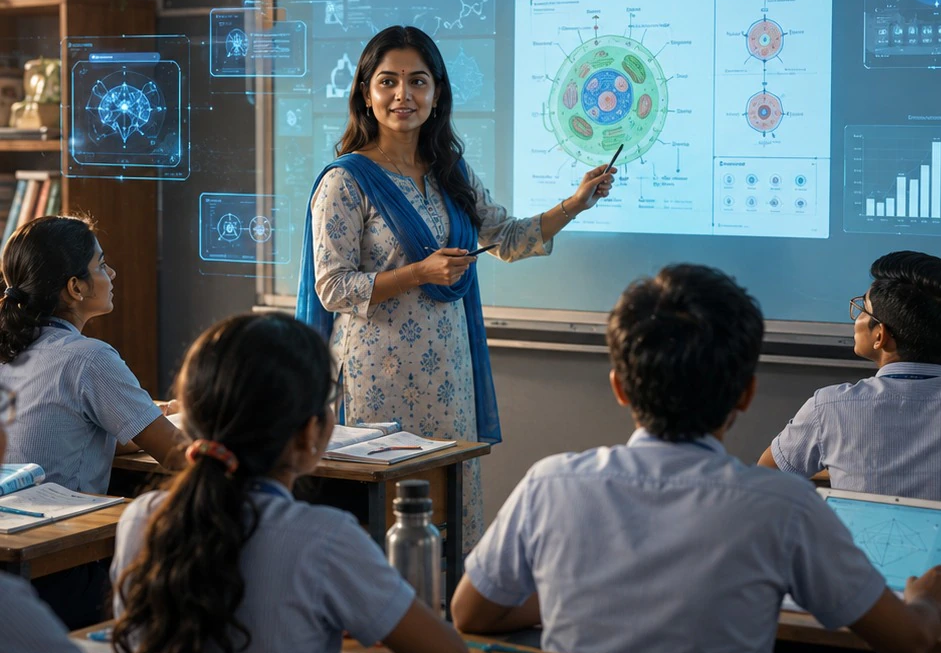
Artificial intelligence has entered education faster than many people expected. Digital learning platforms now recommend lessons based on student performance instead of offering identical material to everyone. Teachers receive detailed reports showing where learners struggle most often. AI tools can check assignments quickly, create quizzes within seconds, and even explain difficult topics using different methods. That saves valuable classroom time. Teachers are then able to spend more energy guiding students personally instead of handling repetitive tasks every single day. Technology becomes a helpful assistant rather than replacing educators completely.
Why India Needs a Different Learning Model
Indian classrooms are often filled with large numbers of students. Managing different learning speeds inside one room has always been difficult for teachers. Some students feel bored because lessons move slowly. Others quietly fall behind because they hesitate to ask questions. Eventually those learning gaps become much bigger. By examination time, many students simply memorize answers without understanding the actual concepts. Mastery learning offers another direction. It encourages schools to identify weaknesses early instead of waiting until final examinations reveal them. Small improvements during the year prevent larger problems later.
Personalized Education Finally Becomes Practical
Personalized learning sounded like an impossible dream only a few years ago. One teacher could never design separate lesson plans for every child every single day. AI changes that reality dramatically. Smart educational software can monitor progress continuously while suggesting practice activities suited to individual learners. Students who understand quickly receive advanced challenges. Those needing additional help receive more explanations without feeling embarrassed in front of classmates. This balanced approach supports confidence while reducing unnecessary academic stress. Every learner gets another opportunity without being labeled permanently.
Teachers Remain the Heart of Education
Some people worry artificial intelligence will eventually replace teachers entirely. That fear misunderstands what education really means. Technology can explain formulas and generate worksheets efficiently, but it cannot inspire curiosity like a passionate teacher. Human educators notice emotions, encourage confidence, and understand personal struggles that software may completely miss. Mastery learning actually increases the importance of teachers because students need meaningful guidance throughout their learning journey. AI handles routine work while teachers focus on mentoring, discussion, creativity, and emotional support. That partnership creates stronger classrooms instead of weaker ones.
Challenges Schools Must Honestly Accept
The future certainly looks exciting, although several challenges cannot be ignored easily. Many schools across rural India still struggle with internet access, computer availability, and reliable electricity. Digital infrastructure remains uneven across different regions. Teacher training also requires serious attention because advanced technology becomes useless without confident educators. Privacy concerns deserve equal importance since student learning data should remain protected carefully. Financial investment will also influence how quickly schools adopt AI-supported education. Progress depends upon thoughtful planning instead of rushing toward fashionable technology without proper preparation.
Students Need Skills Beyond Memorization
Modern workplaces increasingly reward creativity, communication, collaboration, and critical thinking instead of simple memorization. Artificial intelligence already performs many repetitive tasks extremely well. That means future employees must contribute original ideas rather than repeating textbook information. Mastery learning supports this shift because students spend more time understanding concepts deeply. They ask questions naturally, solve unfamiliar problems confidently, and connect knowledge across different subjects. Those abilities become valuable throughout professional careers. Education should prepare students for unpredictable futures instead of only preparing them for predictable examinations.
Parents Also Play an Important Role
Families influence learning habits much more than many people realize. Parents sometimes focus heavily on examination scores because those numbers appear easy to measure. However, genuine understanding deserves greater appreciation than temporary marks. AI learning reports may help parents understand exactly where children require additional support instead of creating unnecessary pressure. Encouraging curiosity at home matters greatly. Reading together, discussing everyday problems, and appreciating effort rather than perfection builds healthier learning attitudes. Mastery learning succeeds best when schools and families work toward similar educational goals together.
Government Policies Can Shape the Future
Educational reforms across India have already started recognizing technology as an important learning partner. Future policies should encourage responsible AI adoption while maintaining equal opportunities for students from different economic backgrounds. Investment in digital classrooms, affordable devices, teacher training, and local language educational resources could accelerate meaningful change. Schools should also establish ethical guidelines explaining how AI will support learning without replacing independent thinking. Strong policies create consistency while protecting both educators and students from unintended consequences during this technological transformation.
Preparing Classrooms for Tomorrow
The classroom of tomorrow may look familiar on the outside, yet learning inside could become completely different. Students might study at flexible speeds while teachers receive instant learning insights through intelligent educational systems. Artificial intelligence will probably become as common as textbooks once were. Even then, curiosity, patience, discipline, and human connection will remain the true foundations of meaningful education. Technology creates possibilities, although people still create lasting learning experiences. That balance deserves careful attention while schools continue evolving across India.
Conclusion
Mastery learning supported by artificial intelligence offers India an opportunity to rethink education with greater purpose instead of simply adding more technology into classrooms. Students deserve learning experiences that build confidence, understanding, and practical thinking rather than encouraging memorization alone. Teachers remain central to this transformation because technology works best when guided by experienced educators who understand individual learners. Schools, families, policymakers, and technology providers must work together to create classrooms where every student has enough time to truly master important concepts. The future of Indian education depends not only on smarter machines but also on smarter learning approaches that place students at the center of every educational decision.
Read also :-