
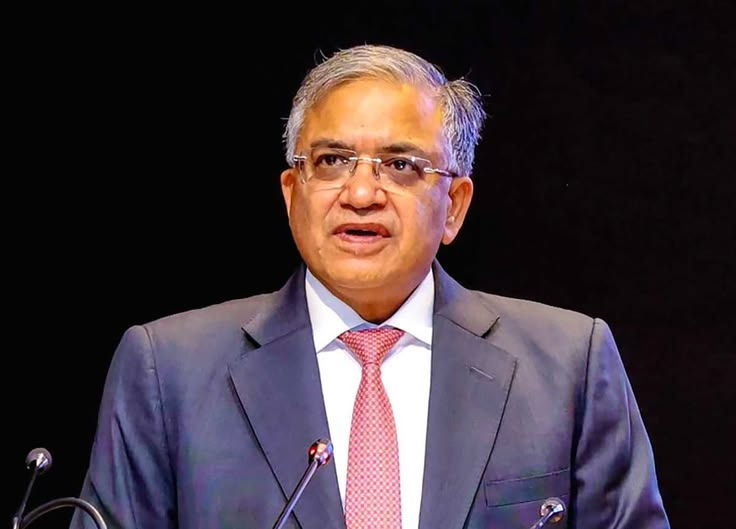
Two petitions filed before the Bombay High Court have brought the Special Intensive Revision of electoral rolls under judicial scrutiny. The pleas challenge fourteen administrative orders associated with Chief Election Commissioner Gyanesh Kumar and seek the restoration of voters whose names were removed during the recent SIR exercise in Maharashtra. They also ask the court to examine the legal basis of the process, ensure due process in deletions, and consider broader safeguards for the integrity of electoral rolls ahead of upcoming elections.
Petitions Before the Bombay High Court
One petition has been filed before the Kolhapur Bench by three Maharashtra residents. Represented by advocate Asim Sarode and a team of lawyers, the petitioners seek the quashing of fourteen administrative orders passed by the Election Commission of India and the Chief Election Commissioner over recent months. A second petition before the principal seat in Mumbai raises related concerns about the constitutional validity and implementation of the SIR in the state, focusing on transparency, methodology and protection against wrongful exclusion of eligible voters.
Together, the pleas convert reported internal differences within the Election Commission into a formal legal challenge. They place before the court questions about how decisions on voter registration, deletion and restoration were taken and whether the process complied with statutory requirements of collective functioning.
The Fourteen Orders and Alleged Objections
According to the petitions, the fourteen orders relate to core aspects of electoral roll management. These include changes made to Form 6 for new voter registration, procedures for deletion and restoration of names, handling of appeals during the SIR, access to and management of the electoral-roll database, the functioning of Electoral Registration Officers, and software-related processes.
The petitioners rely on reports that the other two Election Commissioners, Sukhbir Singh Sandhu and Vivek Joshi, had raised objections on multiple occasions concerning these matters. The pleas contend that certain decisions were nevertheless implemented, raising questions about whether the Commission acted in accordance with the requirement of collective decision-making under the Chief Election Commissioner and Other Election Commissioners Act, 2023. Section 18 of the Act, which addresses the functioning of the multi-member body, is specifically invoked.
Core Reliefs Sought by the Petitioners
The petitions seek several interconnected directions. First, they ask for the quashing of the fourteen impugned administrative orders. Second, they seek the restoration of every voter whose name was deleted from Maharashtra’s electoral rolls during the SIR, arguing that removals occurred without adequate due process in many cases.
Third, the pleas request a stay or halt on the ongoing SIR process in Maharashtra. Fourth, they seek the postponement of upcoming State Assembly elections in all states where the SIR was conducted, until fresh and legally compliant electoral rolls are prepared and approved in accordance with law. Fifth, the petitioners call for the constitution of an independent judicial committee, preferably headed by a retired High Court judge, to examine alleged irregularities, including data deletions and software-related issues.
Additional prayers focus on transparency. The court has been asked to direct the Election Commission to place on record the specific order and recorded reasons under which the SIR is being undertaken in Maharashtra, disclose the methodology used (including criteria related to Absent, Shifted, Dead or Duplicate entries), and provide clarity on related technical specifications.
Concerns Over Due Process and Voter Rights
At the heart of the litigation lies the principle that the right to vote is foundational to democratic participation. The petitioners argue that deletions carried out without proper notice, opportunity to be heard, or clear application of consistent criteria risk disenfranchising eligible citizens. They contend that any intensive revision of rolls must balance the need for accuracy with safeguards against arbitrary or erroneous exclusion.
The petitions also highlight the practical consequences of large-scale deletions. When names are removed, affected individuals may face significant hurdles in having them restored before an election. By seeking blanket restoration subject to subsequent verification through lawful processes, the pleas attempt to shift the burden back onto a transparent and accountable system.
Broader Context of the SIR Exercise
The Special Intensive Revision is intended to clean and update electoral rolls by identifying and removing ineligible, shifted, deceased or duplicate entries while facilitating the inclusion of newly eligible voters. In principle, such exercises strengthen the integrity of the electoral process. Controversies arise when questions are raised about the uniformity of implementation, the adequacy of field verification, the role of technology and software, and the extent of internal consensus within the Commission itself.
Reports of repeated objections by two Election Commissioners have amplified public and political attention on these issues. Opposition parties have separately voiced demands relating to the functioning of the Commission and the conduct of the SIR. The Bombay High Court petitions move the debate from the political arena into the judicial domain, where the focus is on legality, procedure and constitutional compliance.
Implications for Electoral Governance
The outcome of these petitions could have significant implications. A direction to restore deleted voters would immediately affect the composition of rolls in Maharashtra. Any stay on the SIR or requirement for fresh, compliant rolls could influence the schedule of elections in states that have undergone the exercise. An independent probe, if ordered, would examine the decision-making process within the Election Commission and the technical systems used for roll revision.
Even without interim relief, the petitions compel greater transparency. By seeking production of the legal basis, methodology and recorded reasons for the SIR, they push for a clearer public record of how one of the most consequential administrative exercises in the electoral calendar is being conducted.
The Road Ahead
The Bombay High Court will now examine the maintainability of the petitions, the urgency of interim reliefs, and the balance between the Election Commission’s mandate to maintain accurate rolls and the fundamental rights of citizens not to be excluded without due process. The Commission is expected to defend the SIR as a necessary and lawful exercise carried out under its constitutional and statutory authority.
For voters, the litigation underscores the importance of vigilance regarding their entries on the electoral roll. For the institutions involved, it serves as a reminder that processes of such scale and consequence must not only be fair but also be seen to be fair, collective and transparent.
The petitions challenging Gyanesh Kumar’s fourteen orders and seeking restoration of deleted voters have opened an important judicial chapter on the conduct of the Special Intensive Revision. How the court responds will shape both the immediate integrity of Maharashtra’s electoral rolls and the broader conversation about accountability in the management of India’s democratic infrastructure.
Read more – Dailymarathishayari.com

