
A wildlife conservation NGO already under scrutiny in a leopard poaching investigation in Madhya Pradesh has now been linked to an older case involving the alleged purchase of an elephant smuggled from Nepal. Records from the Wildlife Crime Control Bureau (WCCB) form the basis of the fresh connection, according to reports.
The Leopard Poaching Probe
Last month, the Madhya Pradesh State Tiger Strike Force (STSF) arrested two employees of Wildlife SOS in connection with the alleged poaching of 10 leopards in the Shivpuri-Morena landscape. The case originated from the seizure of 10 leopard skins on the Gwalior-Agra highway in July. While the NGO had initially claimed credit for the recovery through its anti-poaching unit, a parallel investigation by the STSF led to the arrests of Bhagwan Singh (also known as Salim) and Wasim, both associated with the organisation.
Investigators have examined whether the operation involved staged elements and have named Wildlife SOS CEO Kartick Satyanarayan in the probe. Satyanarayan has been directed to join the investigation. The Madhya Pradesh High Court earlier withdrew interim protection granted to him, citing non-cooperation, though the Supreme Court later restored limited protection while requiring him to appear before investigators. The NGO has denied wrongdoing in the leopard case.
The Elephant Trade Link
WCCB records now point to an alleged connection between the same NGO and a live elephant transaction dating back several years. According to interrogation records cited in reports, an individual named Ali claimed to have smuggled a 35–40-year-old female elephant from Nepal into Uttar Pradesh via the Hathihewa border route during the early Covid-19 lockdown period in 2020. The animal was allegedly purchased thereafter.
The trail, as reflected in official records, has been linked to Wildlife SOS. The organisation’s response, as reported, has been that it could not comment on the activities of individuals after they left its employment. Details of the transaction remain under the purview of the ongoing examination of WCCB materials.
Broader Context of the Investigations
The two matters—leopard poaching in Madhya Pradesh and the earlier elephant case—have brought heightened attention to Wildlife SOS, a Delhi-based organisation known for its work in rescue and rehabilitation of animals, including bears, leopards and elephants. The leopard probe has already resulted in multiple arrests spanning several states and the recovery of skins, remains and related items. DNA analysis of recovered remains has been sent to the Wildlife Institute of India.
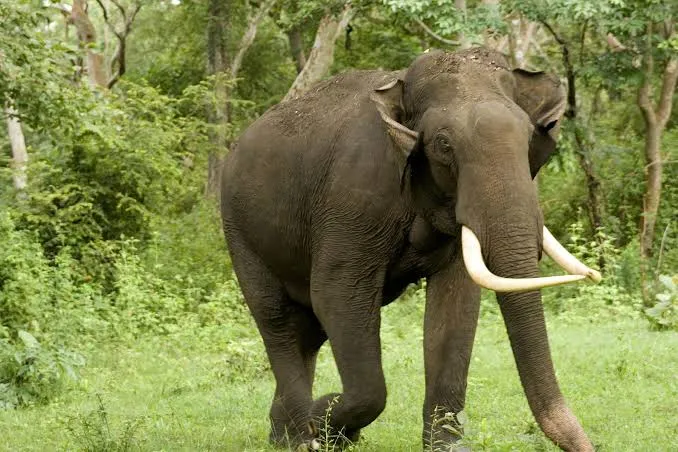
In the elephant matter, the focus is on the alleged cross-border movement of a live animal and subsequent purchase. Live elephant trade is tightly regulated under Indian law, and any unauthorised movement across international borders attracts serious legal consequences.
Status of the Probes
Both investigations remain active. In the leopard case, the STSF continues to examine digital evidence, financial links and the precise roles of those named. Satyanarayan’s appearance before investigators is a key pending step. In the elephant matter, the connection rests on WCCB records and statements recorded during earlier interrogations. No final judicial determination has been reached in either case.
Wildlife SOS has maintained that the allegations against it are unfounded. The organisation has previously highlighted its role in supporting enforcement actions against wildlife crime. Authorities, meanwhile, are treating the dual trails as matters requiring thorough verification.
Implications for Wildlife Enforcement
Cases that link conservation organisations to alleged wildlife offences raise difficult questions about oversight, transparency and the verification of field intelligence. When individuals associated with an NGO appear in crime records, investigators must carefully separate legitimate anti-poaching work from any unauthorised activity. Equally, organisations engaged in high-risk fieldwork need robust internal safeguards to prevent misuse of their platforms or personnel.
The present situation also underscores the challenges of investigating cross-border wildlife crime. The alleged movement of an elephant from Nepal into India highlights the porous nature of certain border stretches and the need for sustained coordination between Indian agencies and their counterparts in neighbouring countries.
What Comes Next
The immediate focus remains on the Madhya Pradesh investigation and Satyanarayan’s compliance with directions to join the probe. Parallel examination of the older WCCB records relating to the elephant is expected to continue. Outcomes will depend on the strength of documentary, digital and testimonial evidence that withstands legal scrutiny.
Until the investigations conclude and courts adjudicate the claims, the matters remain allegations under examination. The dual probes into leopard poaching and the alleged elephant transaction have, however, placed one of India’s better-known wildlife NGOs under sustained official scrutiny and drawn public attention to the complex intersection of conservation work and wildlife crime enforcement.
Read more – Trubondlife.com

