For more than a week, Delhi’s social media feeds have been filled with campaign posters, passionate vote appeals and fiercely contested Instagram polls. The candidates are not politicians. They are dogs—generously proportioned, neighbourhood favourites with names like Googoo, Gola, Tara and Hero. What began as a light-hearted Instagram page documenting the city’s chonkier canines has grown into a full-scale online election for the title of Fat Dog of Delhi. The contest has drawn thousands of votes, tens of thousands of new followers and a surprising amount of civic enthusiasm. It has also left some dog lovers uneasy.
How a Joke Became a Phenomenon
The Instagram account Fat Dogs of Delhi started simply. A Delhi University student began posting photographs of overweight dogs she encountered around the city. Friends shared the images, and soon people began sending in pictures of their own local characters along with names and locations. What began as affectionate documentation turned into a structured knockout tournament featuring dozens of contenders.
Supporters treated the competition with the seriousness usually reserved for real elections. They designed posters, recorded endorsement-style videos, created memes and urged strangers to vote. The page’s following grew rapidly. Dogs acquired fan bases that crossed neighbourhoods and even cities. By the later rounds, the contest had become a shared cultural moment—an unlikely source of community feeling in a city often described as fragmented.
The Finalists and Their Stories
Among the dogs who captured public attention is Googoo, a mixed-breed from the Saket area who weighs around 46 kilograms. In a twist that underscores the complexity of the conversation, Googoo has been staying at an animal-care centre where he is on a regulated diet and receiving medical attention aimed at helping him lose weight. His presence in the finale while simultaneously undergoing a weight-management programme has been noted by both supporters and critics.
Other popular contenders included dogs known by affectionate nicknames—Gola (also referred to as Rajpal Singh or Kebab), Tara, Hero and several others. In one widely discussed development, Gola advanced in the voting even after his death, adding a layer of poignancy to the proceedings. The mix of living neighbourhood dogs, community animals and personal stories gave the contest an emotional texture that pure novelty could not have sustained.
The Case for Celebration
For many participants, the contest is harmless fun that celebrates the personality and presence of dogs who are often overlooked. Street and community dogs rarely receive the kind of individual attention that purebred pets do. By naming them, photographing them and rallying behind them, the competition has humanised animals that many city residents walk past without a second glance.
Supporters point to the sense of connection the contest has generated. Strangers have bonded over shared favourites. Local businesses and individuals have joined the campaigning. In a city where public life can feel impersonal, the shared project of electing a Fat Dog of Delhi has created a temporary but genuine feeling of collective participation. Some hope the attention can eventually be channelled toward practical animal-welfare outcomes—sterilisation drives, better feeding practices or support for care centres.
The Discomfort Around Obesity
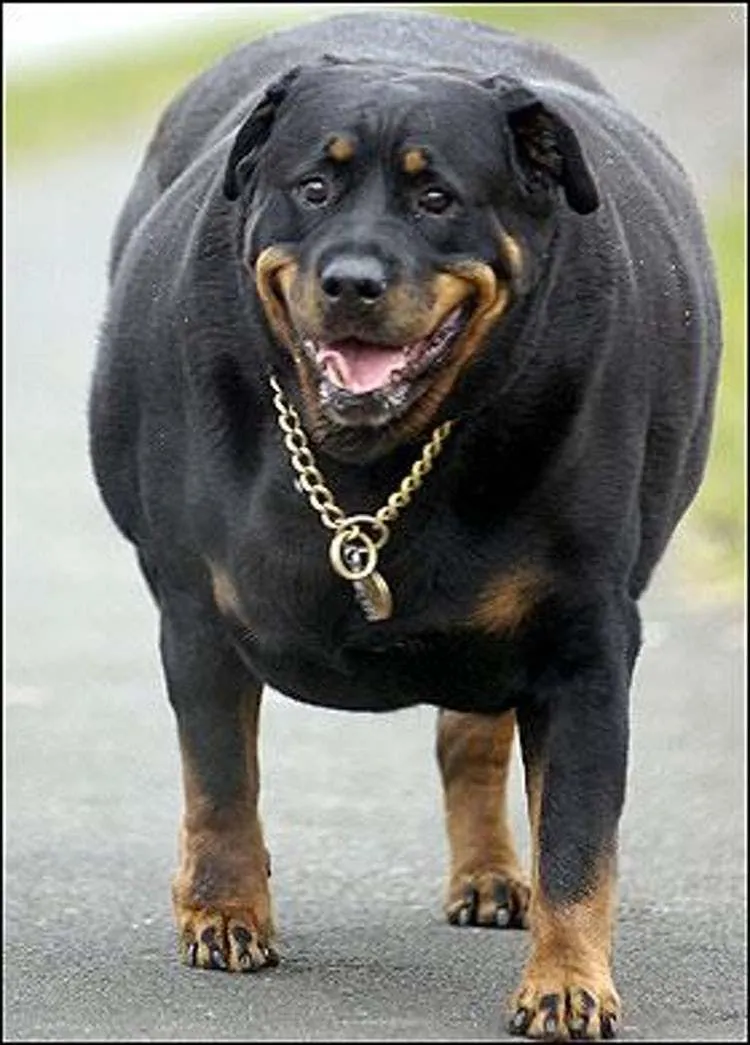
Not everyone is amused. A section of pet owners and animal advocates has expressed discomfort at what they see as the celebration of an unhealthy condition. Canine obesity is not merely a matter of appearance. Excess weight places additional stress on joints and can contribute to arthritis, diabetes, heart strain, breathing difficulties and a shortened lifespan. Veterinarians regularly counsel owners to manage their dogs’ weight precisely because the health consequences are real and cumulative.
Critics argue that turning size into the central criterion for affection and victory risks normalising overfeeding. Some worry that the contest format, complete with sponsors and treat-related incentives, could inadvertently encourage people to keep dogs heavier than is healthy in order to improve their “chonk” credentials. Others simply find it distressing to watch an animal’s compromised mobility or laboured movement framed as endearing content.
The fact that one of the leading finalists is actively trying to lose weight under professional care has sharpened this tension. It is possible to love Googoo’s gentle demeanour while simultaneously recognising that 46 kilograms is not a healthy weight for a dog of his build.
A Question of Framing
At its core, the debate is about framing. Is the contest primarily about affection for individual animals who happen to be overweight, or does it elevate the overweight condition itself as something to be admired and pursued? Intentions matter. Most participants appear motivated by fondness for particular dogs rather than a desire to promote obesity. Yet collective cultural signals also matter. When thousands of people vote, share and celebrate under the banner of “fat,” the message that travels beyond the original circle of fans can be harder to control.
Responsible pet ownership includes managing diet and exercise. Community dog care, already constrained by limited resources, becomes more complicated when animals are significantly overweight. A contest that generates warmth and visibility can still benefit from clearer messaging about health, sterilisation and responsible feeding.
What the Moment Reveals
The Fat Dogs of Delhi episode reveals two simultaneous truths. Cities contain reservoirs of affection for animals that can be activated by the simplest of prompts—a photograph, a name, a call to vote. That affection is real and worth nurturing. At the same time, popular culture’s treatment of animal bodies is never entirely neutral. Celebrating extreme size without acknowledging its costs risks turning a health issue into entertainment.
The organisers and the most devoted supporters have an opportunity to steer the residual attention toward constructive ends: promoting veterinary check-ups, supporting weight-management efforts for community dogs, or simply reminding audiences that love for an animal includes caring about its long-term comfort and mobility. The dogs themselves cannot vote or speak. The responsibility for how their images are used rests with the humans who find them charming.
In the end, the contest has succeeded in making a large number of people look more carefully at the dogs who share their streets. Whether that attention translates into better lives for those animals, or remains a fleeting internet moment, will depend on what happens after the final votes are counted. The laughter has been genuine. The concern about what is being normalised is equally sincere. Both deserve to be held in view.
Read more – cricketscorerise.com