
Dry hair can be frustrating, leaving strands brittle, dull, and prone to breakage. Factors like harsh weather, chemical treatments, heat styling, and hard water often strip natural oils, leading to moisture loss. While commercial products promise quick fixes, many contain silicones and sulfates that provide temporary relief but can worsen the problem over time. Homemade hair masks offer a gentle, effective, and chemical-free alternative. Using natural ingredients readily available in most kitchens, these masks nourish the hair shaft, restore moisture balance, and improve overall hair health when used consistently.
This guide presents the best homemade hair masks specifically formulated for dry hair, along with practical application tips and supporting lifestyle habits for long-lasting results.
Why Homemade Hair Masks Work for Dry Hair
Natural ingredients contain essential fatty acids, vitamins, proteins, and antioxidants that penetrate the hair cuticle to replenish lost moisture. Unlike many store-bought masks, homemade versions allow full control over ingredients, avoiding potential irritants. Regular use (1–2 times weekly) can improve hair texture, reduce frizz, enhance shine, and strengthen strands from within. The key lies in selecting ingredients that complement each other and applying them correctly.
Top Homemade Hair Masks for Dry Hair
1. Coconut Oil and Honey Mask
Coconut oil is rich in lauric acid, which penetrates the hair shaft deeply, while honey acts as a natural humectant that draws and locks in moisture.
Preparation: Mix 3 tablespoons of warm coconut oil with 2 tablespoons of raw honey. Apply to damp hair from roots to tips, massaging gently into the scalp. Cover with a shower cap and leave on for 30–45 minutes before washing with a mild shampoo. Use weekly for noticeable softness and shine.
2. Avocado and Banana Mask
Avocado provides healthy fats and vitamin E, while banana supplies potassium and natural sugars that condition hair.
Preparation: Mash one ripe avocado and one ripe banana into a smooth paste. Add 1 tablespoon of olive oil for extra nourishment. Apply generously, focusing on dry ends. Leave for 40 minutes, then rinse thoroughly. This mask is excellent for severely dehydrated hair and leaves it feeling silky.
3. Yogurt and Egg Mask
Yogurt’s lactic acid gently exfoliates the scalp, while egg provides protein to strengthen hair.
Preparation: Whisk ½ cup plain yogurt with one whole egg and 1 tablespoon of olive oil. Apply to hair, massaging the scalp. Leave for 25–30 minutes. This protein-rich mask helps repair damage and restores elasticity, making it ideal for chemically treated hair.
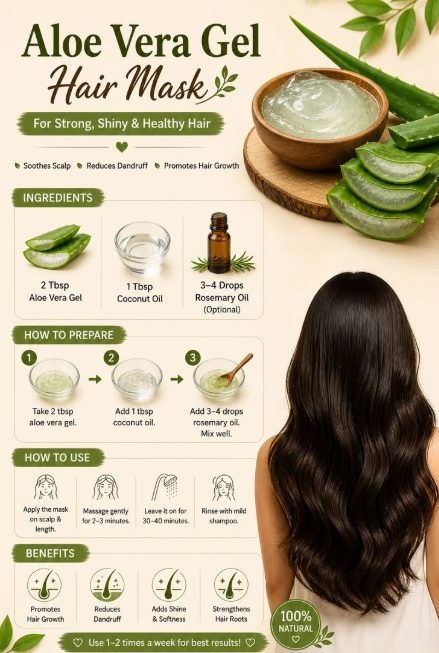
4. Aloe Vera and Coconut Milk Mask
Aloe vera soothes the scalp and adds hydration, while coconut milk delivers nourishing fats and vitamins.
Preparation: Mix ½ cup fresh aloe vera gel with ½ cup coconut milk. Apply from roots to ends and leave for 35–40 minutes. This cooling mask is perfect for summer months when hair tends to dry out faster due to heat and sun exposure.
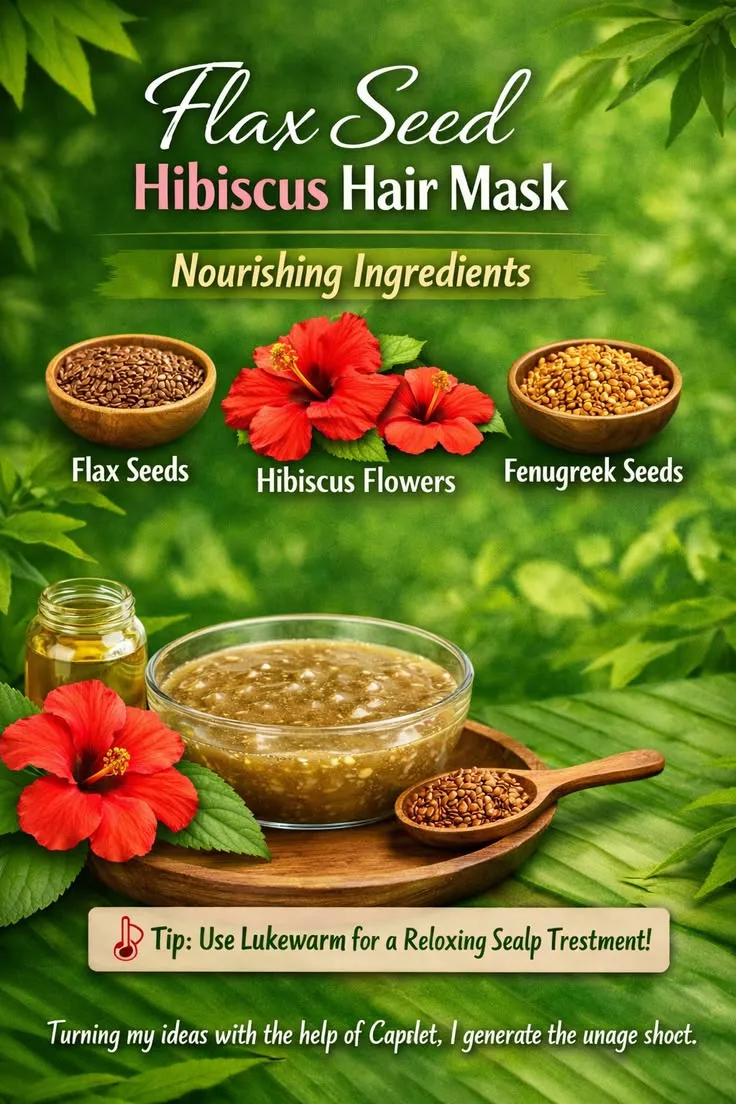
5. Olive Oil and Fenugreek Seeds Mask
Fenugreek seeds are packed with proteins and lecithin that repair damaged hair, while olive oil provides deep conditioning.
Preparation: Soak 2 tablespoons of fenugreek seeds overnight, grind into a paste, and mix with 3 tablespoons of warm olive oil. Apply thoroughly and leave for 45 minutes. This traditional remedy strengthens roots and reduces breakage.
6. Mayonnaise and Honey Mask
Though unconventional, mayonnaise contains oils and eggs that deeply moisturize, while honey seals in hydration.
Preparation: Mix 4 tablespoons of full-fat mayonnaise with 2 tablespoons of honey. Apply to dry hair and leave for 30 minutes. Rinse well with cool water. This mask works wonders for extremely dry, frizzy hair.
How to Apply Hair Masks Effectively
- Always apply masks to clean, damp (not dripping wet) hair for better absorption.
- Massage gently into the scalp to stimulate blood flow and deliver nutrients to roots.
- Use a shower cap or warm towel to trap heat, which helps ingredients penetrate deeper.
- Rinse thoroughly with lukewarm water followed by a cool water rinse to seal the cuticle.
- Follow with a light natural oil (like argan or jojoba) on ends for extra protection.
Additional Lifestyle Tips for Maintaining Moisturized Hair
- Reduce heat styling and use protective sprays when necessary.
- Wash hair 2–3 times weekly with sulfate-free shampoo to preserve natural oils.
- Use a wide-tooth comb on wet hair to minimize breakage.
- Protect hair from sun damage with hats or scarves during peak hours.
- Stay hydrated internally by drinking 3–4 liters of water daily.
- Include omega-3 rich foods like flaxseeds and walnuts in your diet.
Precautions and Best Practices
- Perform a patch test before trying new masks to rule out allergies.
- Avoid overusing protein-rich masks if your hair is already protein-sensitive.
- Do not leave masks on overnight unless specified, as this can sometimes clog pores.
- Adjust frequency based on your hair type — very dry hair may benefit from twice-weekly masks, while moderately dry hair needs once-weekly application.
- Be patient. Natural remedies show results gradually, usually within 4–6 weeks of consistent use.
Long-Term Benefits of Regular Hair Masking
Consistent use of these natural masks can transform dry, brittle hair into soft, shiny, and manageable locks. They help restore the hair’s natural moisture barrier, reduce split ends, and improve overall scalp health. Many users also report less frizz, better manageability, and improved hair growth over time.
Making homemade hair masks part of your weekly self-care routine is an investment in long-term hair health. These simple recipes use ingredients most people already have at home, making them both economical and sustainable. By choosing natural solutions, you avoid harsh chemicals while giving your hair the nourishment it truly needs.
Start with one or two masks that appeal to you and observe how your hair responds. Adjust recipes based on results and seasonal changes. With patience and consistency, you can achieve naturally moisturized, healthy hair that radiates vitality. Healthy hair begins with nurturing it from within — both through diet and these nourishing topical treatments. Your hair will thank you for the care and attention.
Read more – pressnbcnews.com
