A Massive Network With A Small Gap
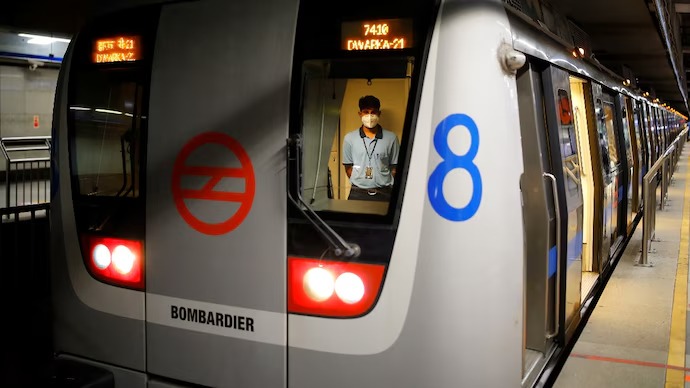
Delhi Metro has become one of the most important parts of daily life across Delhi and the wider NCR region. The network currently covers about 394 kilometres with 289 stations, according to Delhi Metro Rail Corporation, and connects Delhi with areas across Haryana and Uttar Pradesh.
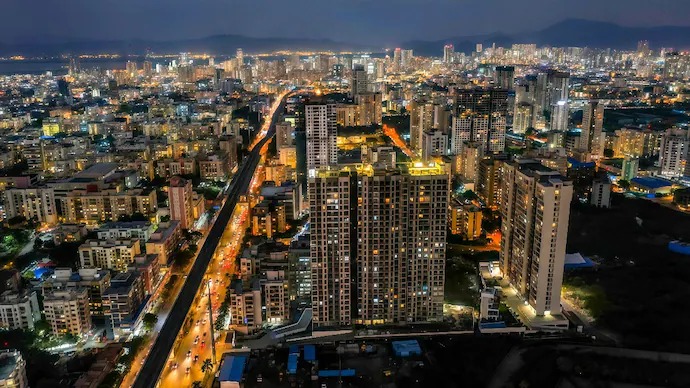
On a map, that sounds almost perfect. There are metro stations in many major neighbourhoods, commercial areas, residential zones, railway stations and transport hubs. Yet for many passengers, the hardest part of the journey does not begin inside the metro.
It begins outside the station.
A person may live only two or three kilometres from a metro station and still spend a surprisingly long time trying to reach it. The problem is not really the size of the Delhi Metro network anymore. It is the missing connection between homes, streets and station entrances.
The Last Mile Is Still Messy
This is commonly called the last-mile connectivity problem, and Delhi experiences it in several different ways. The metro can move thousands of people quickly over long distances, but it cannot take passengers directly from every residential street to the platform.
Someone living inside a narrow colony may first need to walk through crowded lanes. Then they may search for an auto-rickshaw, e-rickshaw, bus or cab. During peak hours, finding one can take longer than expected.
The distance itself is not always the biggest issue either.
A station may appear close on a mobile map, while the actual walking route is uncomfortable, blocked or much longer. Busy roads, missing footpaths, traffic crossings, construction zones and poorly connected streets can make a short journey feel much bigger.
Distance Looks Different On Maps
Digital maps have made metro travel planning easier, but they can also hide some practical problems. A map may show a station 1.5 kilometres away, which looks completely manageable.
For an office worker carrying a laptop, however, walking that distance beside heavy traffic may not feel convenient. For an older passenger, a parent with a child, or someone carrying shopping bags, the same distance can become even more difficult.
There is another issue that people often overlook.
Metro stations sometimes have multiple gates, and the nearest gate to a destination may not be the easiest one to reach. A passenger can technically be standing near the station while still needing to walk around a large road junction before entering.
So, “near the metro station” does not always mean “easy access to the metro.”
Delhi Roads Add Another Problem
Delhi’s road system was not designed only around metro stations. Roads, markets, colonies and major intersections developed over many decades, while metro corridors were added later.
That creates strange combinations in some locations.
A station can sit directly beside a major road, but reaching its entrance may require crossing several lanes of traffic. Footpaths can suddenly become narrow or disappear around shops, parked vehicles and construction areas.
For pedestrians, this matters a lot.
A five-minute car journey does not necessarily mean a five-minute walking journey. The road network might favour vehicles while making pedestrians take longer routes. This creates a gap between metro accessibility on paper and metro accessibility in real life.
Autos And E-Rickshaws Matter More
For many passengers, autos and e-rickshaws are not optional extras. They are the connection between their neighbourhood and the metro station.
They become especially important where bus routes are limited or walking conditions are poor. A short ride can make the difference between using the metro every day and choosing a motorcycle, car or cab instead.
But availability is unpredictable in several areas.
During morning office hours, demand rises quickly. During rain, extreme heat or late evenings, finding affordable local transport can become even harder. Passengers may also face traffic congestion around busy station entrances.
This means the metro journey is highly dependent on what happens before passengers reach the station.
Buses Cannot Solve Everything
Delhi has a large bus network, and buses provide an important layer of public transportation. But buses and metro systems serve different travel patterns.
A metro line is generally built along major corridors where large passenger volumes can be moved efficiently. Residential streets are much more scattered.
A bus can enter smaller neighbourhoods, but it cannot realistically cover every street at frequent intervals. Routes, traffic conditions, stops and operating patterns all create limitations.
This is why cities need several transport options working together instead of expecting one system to solve everything.
The metro handles the longer trip. Buses, e-rickshaws, walking and cycling should handle the smaller connection around it.
Walking Is The Missing Piece
One of the simplest answers to Delhi’s metro access problem is also one of the hardest to implement properly.
Walking infrastructure needs more attention.
A metro station becomes genuinely accessible when people can safely walk to its entrance from surrounding neighbourhoods. That requires continuous footpaths, safe crossings, lighting, shade, ramps and fewer obstacles.
It sounds basic, but urban streets are rarely that simple.
A passenger might begin with a proper footpath and suddenly find a parked vehicle blocking the way. Another section could be occupied by vendors, while the next crossing may have heavy traffic moving continuously.
For a city with such extensive metro coverage, improving these small pedestrian connections could produce a surprisingly large benefit.
Heat And Rain Change Everything
Delhi’s weather also makes station access more complicated than simple distance calculations suggest.
Walking for ten minutes during a pleasant winter morning is one thing. Walking for the same amount of time during intense summer heat is completely different.
Rain creates another problem.
Waterlogging, slippery surfaces and crowded roads can make short walks uncomfortable. People who might normally walk to the station may instead look for an auto or cab.
This is why station accessibility should not be measured only in kilometres. Comfort, safety and weather protection also influence whether people actually use public transport.
Metro Expansion Is Not The Whole Answer
Delhi Metro is still expanding, with Phase IV designed partly to bring previously unconnected areas onto the metro map. DMRC’s 2024-25 annual report says the expansion involves about 110 kilometres across six corridors, with several corridors at different stages of development.
More stations will certainly help.
But adding stations alone cannot completely solve the problem.
Every new station creates another small urban area around it. That area needs proper pedestrian access, feeder services, crossings, parking management and connections with existing public transport.
Otherwise, the city can keep adding metro kilometres while passengers continue struggling with the first and last parts of their journey.
The Station Should Not Be The Finish Line
A better way to think about metro planning is to treat the station as part of a larger transport system.
The passenger journey does not begin when someone enters the AFC gates. It begins when they leave home.
Delhi Metro itself recognises access and dispersal as separate parts of a passenger’s trip, with its customer survey asking passengers how they reach stations and how they continue after leaving them.
That distinction is important.
If a person spends twenty minutes reaching the station, then thirty minutes inside the metro, followed by another fifteen minutes finding transport at the destination, the actual public transport experience is much longer than the train journey suggests.
What Delhi Can Improve Next
Delhi does not necessarily need a completely new transportation idea to improve this situation. Several practical changes could make existing stations easier to reach.
Better footpaths around stations would be a strong starting point. Dedicated pedestrian crossings could reduce dangerous road crossings. More organised e-rickshaw and auto stands could reduce confusion outside busy stations.
Feeder buses could also connect residential pockets with major stations at predictable intervals.
Cycling infrastructure could help for short trips where walking is too far but driving is unnecessary. Covered walkways and shaded pedestrian routes would make station access more comfortable during difficult weather.
None of these solutions sounds as impressive as building another metro corridor. Yet they could change how people experience the network every single day.
A Bigger Metro Needs Better Connections
Delhi already has one of the country’s most extensive urban rail systems, and its network continues to grow. The challenge now is becoming slightly different.
The question is no longer only where the next metro line should go.
It is also about how easily an ordinary passenger can reach the station from home, office, school or market. A metro station surrounded by poor pedestrian access or unreliable feeder transport cannot deliver its full potential.
The strongest public transport system is not simply the one with the most kilometres or stations. It is the one that makes the entire journey feel connected.
Conclusion: The Real Gap Is Outside The Metro
Delhi Metro has solved a huge part of the city’s long-distance travel problem, but reaching the station remains difficult because public transport does not end at the platform entrance. Last-mile connectivity, pedestrian infrastructure, road crossings, weather conditions and unreliable feeder options still affect daily commuters. Future metro expansion will help more people come within reach of the network, but surrounding streets must improve alongside it. Better footpaths, safer crossings, organised feeder services and practical local transport can make a major difference. Delhi already has the backbone of a powerful transport system. Now the city needs to strengthen the smaller connections around it.