
Recent food-safety inspections and reports of unhygienic conditions at restaurants have left many diners uneasy. Raids and enforcement actions in several cities have uncovered expired ingredients, poor storage practices and other lapses, prompting a simple question: where is it safe to eat, and what control do customers really have?
An experienced chef who has worked in professional kitchens offers a grounded perspective. While public concern is understandable, not every visible shortcoming signals danger, and not every proposed fix delivers the protection people seek. The practical focus, she argues, should remain on what diners can reasonably observe and request, rather than on measures that create an illusion of complete oversight.
Why Trust Has Been Shaken
Food-safety drives by local authorities and the national regulator have brought irregularities into public view. Establishments of varying scales have faced action for issues ranging from pest presence and adulterated products to inadequate temperature control and missing licences. Media coverage and social media amplification have heightened awareness, and in some cities restaurant footfalls have dipped as families grow more cautious.
In response, some civic bodies have encouraged restaurants to install CCTV cameras in kitchens and display live feeds for customers. The idea is that visible monitoring will encourage better hygiene and give diners a sense of transparency. Business voices have even suggested the approach could be considered more widely. Yet the effectiveness of live cameras as a comprehensive solution remains debated.
The Limits of Kitchen CCTV
The chef acknowledges the appeal of transparency but does not support live kitchen CCTV as a substitute for proper food-safety systems. A camera shows only what is happening at a particular moment during service. It cannot reveal where an ingredient originated, whether it was stored at the correct temperature overnight, or whether cleaning and handling protocols were followed earlier in the day.
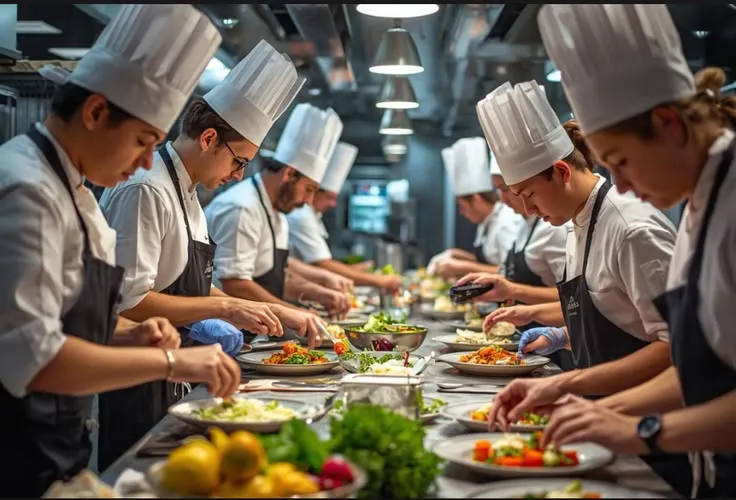
A busy professional kitchen can look chaotic to an outsider even when staff are following correct procedures. Speed, movement and the simultaneous handling of multiple orders are normal. Remote viewers may misinterpret standard workflow as disorder. Conversely, a tidy camera view at one instant does not guarantee that storage, sourcing or earlier preparation stages met standards.
Live footage, therefore, offers partial visibility at best. It may deter some obvious lapses during service hours, but it does not replace systematic checks on procurement, cold-chain integrity, staff hygiene training and regular official inspections.
What Diners Can Reasonably Control
Customers cannot supervise every stage of the supply chain or production process. They can, however, exercise informed caution and assert basic expectations. The chef emphasises that asking questions about hygiene and food handling is entirely reasonable. Requesting information about how certain items are prepared, whether specific ingredients are freshly sourced, or whether the establishment holds valid licences falls within normal consumer rights.
At the same time, a commercial kitchen is a controlled working environment. There are legitimate hygiene, safety and operational reasons for restricting unrestricted public access during service. Staff moving through a busy kitchen, hot equipment and the need to maintain clean zones make casual entry impractical and potentially counterproductive. The right to inquire does not automatically translate into the right to walk through the kitchen.
Practical steps diners can take include choosing establishments with consistent reputations for cleanliness, checking for visible hygiene practices in dining areas and restrooms, noting whether staff handle food with appropriate protective measures, and paying attention to how food is stored and presented. Observing whether surfaces appear maintained and whether there is evidence of pest control can also provide useful signals.
Distinguishing Legitimate Concern from Over-Reaction
Heightened scrutiny has led some diners to treat minor variations in taste or presentation as evidence of safety failures. Human cooking involves natural variation; a dish that tastes slightly different from a previous visit is not automatically unsafe. Recording videos or demanding ingredient invoices for every item can create tension without necessarily improving outcomes. Restaurant operators report that some guests now approach routine service issues with suspicion that escalates quickly.
The chef’s position is that customers should remain alert without assuming the worst in every instance. Isolated enforcement actions, while serious for the establishments involved, do not mean every kitchen operates under the same conditions. Painting the entire sector with one brush risks unnecessary anxiety and can damage businesses that maintain proper standards.
The Role of Systems Over Spectacle
Sustainable food safety depends on processes that operate whether or not a camera is watching. Temperature logs, supplier verification, staff training in hygiene protocols, regular deep cleaning, pest management and compliance with licensing requirements form the real foundation. Regulatory inspections, when consistent and thorough, reinforce those systems. Technology can support transparency, but it cannot replace the underlying discipline.
Open kitchens or visible preparation areas already exist in many restaurants and can offer a degree of reassurance when designed thoughtfully. They allow diners to see parts of the process without compromising the controlled environment of the full kitchen. Such design choices differ from mandatory live CCTV feeds that may create false confidence while adding cost and operational complexity.
Finding a Balanced Approach
Diners today face more information—and more alarming headlines—than in previous years. That visibility is useful when it drives genuine improvement. It becomes counterproductive when it produces paralysis or blanket distrust. The chef’s counsel is straightforward: remain curious and assertive about standards, recognise the limits of what any single measure can guarantee, and avoid equating a camera feed with comprehensive safety.
Restaurants, for their part, rebuild confidence through consistent practice rather than performative transparency. Clear communication about sourcing and hygiene, visible staff discipline and responsiveness to legitimate concerns matter more than continuous surveillance theatre.
Food-safety scares will continue to surface because supply chains are complex and human systems are imperfect. What diners can control is selective: choose carefully, ask reasonable questions, observe what is visible, and support establishments that demonstrate reliable standards. What they cannot control—the full journey of every ingredient—remains the responsibility of operators and regulators. Focusing energy on the former while expecting accountability on the latter offers the most practical path through a period of heightened concern.
Read more – Instantdua.com

