
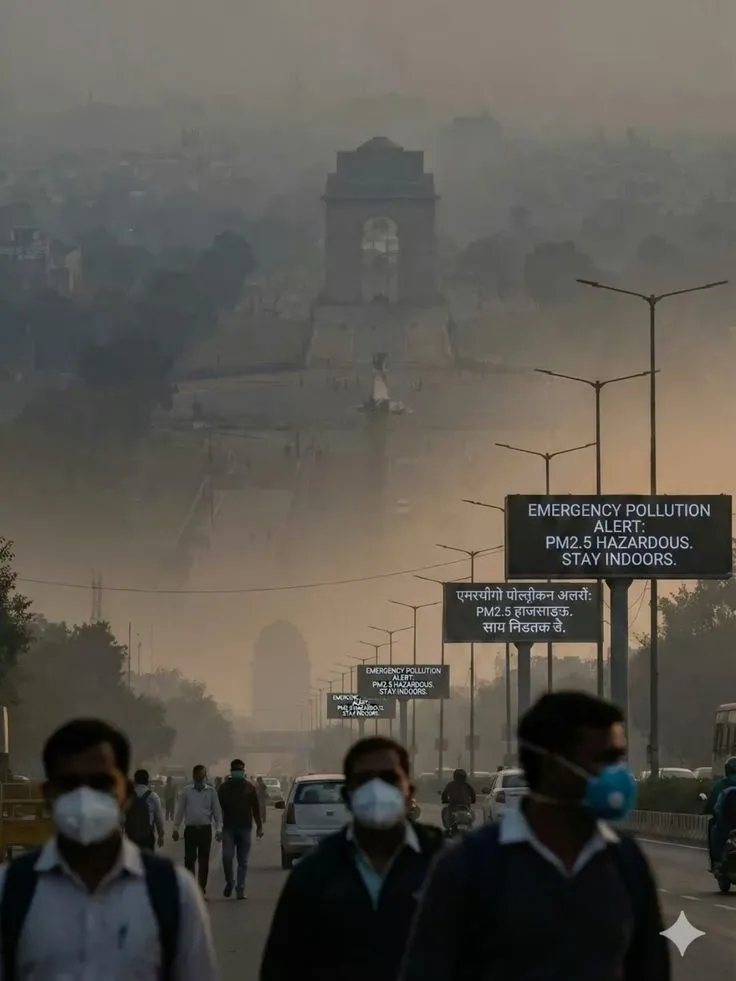
Air pollution has traditionally been associated with rapidly growing cities in developing regions, especially those facing challenges related to industrial growth, traffic congestion, and urban expansion. However, recent changes in global air quality patterns have highlighted a surprising shift. Cities across the United States and Canada have suddenly appeared among the world’s most polluted locations due to a major environmental factor affecting air quality.
This unusual change has drawn attention because pollution rankings are not always determined only by local emissions. Natural events, weather conditions, and environmental changes can significantly influence air quality in different regions. In this case, smoke from large-scale wildfires has played a major role in transforming pollution levels across North America.
The situation demonstrates how interconnected environmental systems are and how pollution challenges can quickly move across borders. It also highlights the growing importance of climate-related risks and the need for stronger air quality monitoring and environmental protection measures.
Understanding Air Pollution Rankings
Air pollution rankings are generally based on the concentration of harmful particles and pollutants present in the atmosphere. One of the most important measurements is PM2.5, which refers to tiny particles that are less than 2.5 micrometers in diameter.
These fine particles can enter deep into the lungs and may affect overall health when exposure levels remain high. Air quality monitoring systems around the world track PM2.5 levels to understand pollution conditions and provide public health information.
Pollution rankings can change significantly depending on weather conditions, seasonal patterns, industrial activity, transportation emissions, and natural events.
A city that usually has moderate air quality can experience extremely high pollution levels when affected by unusual environmental conditions.
The Sudden Rise of North American Cities in Pollution Rankings
The appearance of multiple US and Canadian cities among the world’s most polluted locations was linked to an intense wildfire season. Large wildfires produced massive amounts of smoke containing fine particles, which spread across wide regions.
Wildfire smoke can travel hundreds or even thousands of kilometres depending on wind patterns and atmospheric conditions. As a result, cities far away from the actual fire locations experienced unhealthy air quality.
This caused several urban areas that normally maintain relatively cleaner air to experience temporary but severe pollution levels.
The event changed the global pollution map and showed that air quality is influenced by both human activities and natural environmental events.
How Wildfire Smoke Affects Air Quality
Wildfires release a mixture of gases and tiny particles into the atmosphere. Among these pollutants, PM2.5 is one of the biggest concerns because of its ability to penetrate deep into the respiratory system.
When wildfire smoke spreads over cities, it can create hazy skies, reduce visibility, and increase pollution levels within a short period.
People exposed to heavy wildfire smoke may experience irritation in the eyes, throat discomfort, coughing, breathing difficulties, and worsening symptoms for individuals with existing respiratory conditions.
Health authorities often recommend limiting outdoor activities and using protective measures when air quality reaches unhealthy levels.
Why Wildfires Are Becoming a Bigger Environmental Concern
Scientists have linked increasing wildfire risks in many regions to factors such as rising temperatures, prolonged dry conditions, changing rainfall patterns, and climate-related environmental changes.
Hotter and drier conditions can create environments where wildfires start more easily and spread faster.
The increasing intensity of wildfire seasons has become a major concern because the effects extend beyond the immediate fire zones. Smoke pollution can impact large populations far away from where fires occur.
This makes wildfire management and climate adaptation important parts of future air quality planning.
India’s Position in the Changing Pollution Scenario
India has frequently faced challenges related to air pollution, particularly in major urban areas affected by traffic emissions, industrial activity, construction dust, and seasonal factors.
However, during this particular global pollution event, Indian cities were not among the top 50 most polluted cities according to the rankings being discussed.
This highlights an important point about pollution measurements: rankings can change depending on current environmental conditions.
A city’s position on a pollution list at a specific time does not represent its long-term air quality situation. Pollution levels vary due to multiple factors, including weather, seasonal changes, and temporary environmental events.
The Role of Weather in Pollution Movement
Weather conditions play a significant role in determining air quality. Wind direction, temperature, humidity, and atmospheric pressure influence how pollutants move and remain concentrated.
Strong winds can carry smoke and pollutants across large distances, while certain weather conditions can trap pollution near the ground.
This explains why cities far away from wildfire areas can experience poor air quality even when local emissions remain unchanged.
Understanding weather patterns is therefore essential for predicting pollution events and protecting public health.
Health Effects of Rising Air Pollution
Exposure to high levels of air pollution can affect human health in several ways. Fine particles such as PM2.5 are associated with respiratory and cardiovascular concerns, especially among vulnerable groups.
Children, older adults, and people with existing health conditions may be more sensitive to poor air quality.
Short-term exposure can cause breathing discomfort, irritation, and reduced outdoor activity. Long-term exposure to polluted air can contribute to more serious health risks.
This makes air quality monitoring and public awareness important tools for reducing health impacts.
Importance of Real-Time Air Quality Monitoring
Modern air quality monitoring systems allow governments, researchers, and citizens to track pollution levels in real time.
Air quality indexes provide information about current conditions and help people make decisions about outdoor activities.
During wildfire events or sudden pollution increases, real-time monitoring becomes especially valuable because conditions can change quickly.
Better monitoring technology also helps researchers understand pollution patterns and develop improved environmental policies.
Lessons From the Global Pollution Shift
The sudden appearance of North American cities at the top of pollution rankings provides several important lessons.
First, air pollution is a global issue that does not always follow traditional patterns. Even regions known for cleaner air can experience severe pollution due to environmental events.
Second, climate-related changes are influencing air quality in new ways. Wildfires, extreme weather events, and changing environmental conditions are becoming important factors in pollution management.
Finally, the situation highlights the importance of international cooperation because environmental challenges often cross national boundaries.
Steps to Improve Air Quality Worldwide
Improving air quality requires long-term efforts from governments, industries, and communities.
Reducing dependence on high-emission energy sources, improving public transportation, controlling industrial emissions, protecting forests, and promoting cleaner technologies can help reduce pollution.
At the individual level, people can contribute by using energy efficiently, reducing unnecessary emissions, supporting sustainable practices, and staying informed about environmental issues.
Managing wildfire risks through better forest management and emergency planning is also becoming increasingly important.
Frequently Asked Questions (FAQs)
Why did US and Canadian cities become highly polluted?
The major reason was wildfire smoke spreading across large regions, increasing fine particle pollution levels in many cities.
Does a pollution ranking show a city’s permanent air quality?
No. Pollution rankings represent conditions during a specific period and can change due to weather, natural events, and seasonal factors.
Why is wildfire smoke dangerous?
Wildfire smoke contains fine particles that can enter the respiratory system and affect health, especially among vulnerable groups.
Conclusion
The sudden shift in global pollution rankings shows that air quality is influenced by a wide range of factors beyond local emissions. The appearance of US and Canadian cities among the world’s most polluted locations demonstrates how wildfire smoke and environmental changes can dramatically affect pollution levels.
This event serves as a reminder that air pollution is a global challenge requiring continuous monitoring, scientific research, and long-term environmental planning.
As climate-related risks continue to evolve, protecting air quality will require cooperation between countries, investment in clean technologies, and greater public awareness. Clean air is not only a regional concern but a shared responsibility for communities around the world.
