
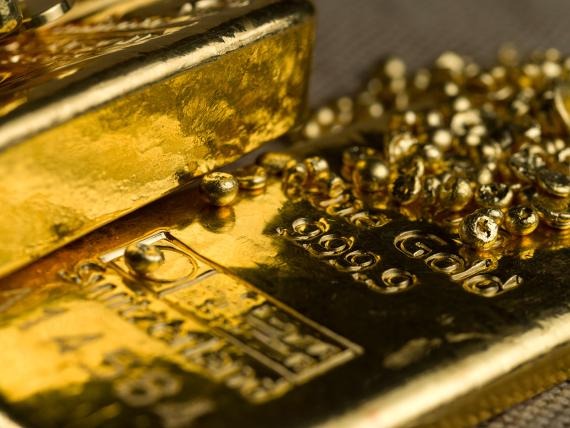
Why Gold Still Holds Strong Value
Gold Demand Trends continue changing every year, yet gold never seems to lose its place in the global economy. People buy it for different reasons, and those reasons are not always connected. Some investors purchase gold because they worry about inflation. Others simply want a safer place to keep part of their wealth. Jewelry buyers keep the market active, while central banks also collect large amounts for national reserves. All these groups influence demand in different ways, making the market far more interesting than many people realize.
Gold has survived economic crashes, currency changes, political conflicts, and financial uncertainty for decades. That history creates confidence among buyers who believe physical assets offer stability when markets become unpredictable. Even younger investors have started looking at gold alongside stocks and digital investments.
Investment Demand Keeps Growing
Investment remains one of the biggest forces behind modern gold demand. Whenever stock markets become volatile, many investors begin shifting money toward assets that appear more stable. Gold often benefits from those decisions because it has maintained value over long periods.
Exchange-traded funds, gold bars, and bullion coins have made investing much easier than before. Years ago, buying physical gold required more planning and storage concerns. Today, investors have several options depending on their financial goals and personal preferences.
Interest rates also affect buying behavior. Lower interest rates generally make gold more attractive because the opportunity cost of holding non-interest-bearing assets decreases. When rates rise sharply, demand sometimes slows, although uncertainty can still support prices.
Jewelry Still Shapes Global Consumption
Jewelry demand remains a massive contributor to worldwide gold consumption. Countries such as India and China continue leading global jewelry purchases because gold carries cultural, traditional, and financial importance beyond simple decoration.
Wedding seasons often increase buying activity. Festivals and family celebrations create additional demand throughout the year. In many households, gold jewelry is viewed not only as an ornament but also as a form of long-term savings.
Consumer preferences have changed slightly during recent years. Lightweight jewelry, modern designs, and personalized collections have become increasingly popular. Buyers now balance fashion with affordability, especially when gold prices stay elevated for extended periods.
Central Banks Continue Buying Gold
One interesting part of recent Gold Demand Trends involves central banks increasing their gold reserves. Many governments have expanded purchases as part of broader reserve diversification strategies.
Holding gold reduces dependence on foreign currencies while strengthening financial stability during uncertain economic conditions. Several emerging economies have accelerated reserve purchases because they want more balanced national assets.
Central bank buying usually happens quietly without affecting daily consumer markets immediately. However, consistent purchases over several years create meaningful long-term support for global demand and sometimes influence investor confidence as well.
Inflation Creates More Interest
Inflation remains one of the strongest reasons people turn toward gold. When everyday goods become more expensive, purchasing power gradually declines. Many investors believe gold helps preserve wealth during these periods.
Although gold prices do not always move perfectly with inflation, the relationship remains important. Rising living costs encourage people to consider assets that historically performed relatively well during uncertain monetary environments.
This behavior becomes especially noticeable whenever inflation stays above normal levels for many consecutive months. Investors often increase gold allocations alongside other defensive investment strategies.
Technology Also Uses Gold
Many people forget that gold is not only an investment asset or jewelry material. Modern technology depends on gold for several industrial applications because of its excellent electrical conductivity and resistance to corrosion.
Smartphones, computers, medical devices, aerospace equipment, and advanced electronics all use small amounts of gold. Individually these quantities appear tiny, yet combined manufacturing demand becomes significant across global industries.
Technology demand usually grows steadily instead of dramatically. As electronic production expands worldwide, industrial gold consumption continues supporting the overall market even when other sectors temporarily weaken.
Economic Uncertainty Changes Buying Behavior
Financial uncertainty has always encouraged people to reconsider where they store wealth. Recessions, banking concerns, geopolitical tensions, and market corrections often increase interest in precious metals.
Investors rarely move every dollar into gold. Instead, many use it as one part of a diversified portfolio. That balanced approach reduces overall investment risk while maintaining exposure to different asset classes.
Consumer confidence also influences purchasing decisions. When people feel secure about employment and income, luxury jewelry purchases often increase. During difficult economic periods, investment demand may rise while luxury spending slows.
Digital Platforms Make Gold Easier to Buy
Technology has completely changed how people purchase gold today. Digital investment platforms allow users to buy fractional amounts without visiting jewelry stores or bullion dealers.
Online trading has introduced younger investors to precious metals. Small monthly investments have become common because buyers no longer need enough money to purchase large bars or expensive jewelry.
Mobile applications also provide live pricing, secure storage options, and simplified transactions. Greater accessibility has expanded participation beyond traditional investors who previously dominated the market.
Supply Challenges Influence Market Balance
Demand tells only part of the story because supply also affects overall market conditions. Gold mining requires substantial investment, environmental approvals, advanced equipment, and many years before production begins.
Production costs continue rising across several mining regions due to labor expenses, stricter environmental regulations, and declining ore quality. These challenges sometimes limit new supply entering global markets.
Recycling provides another important source of available gold. Old jewelry, industrial materials, and electronic waste contribute meaningful quantities every year. Higher prices often encourage more recycling because sellers receive better returns.
Regional Markets Show Different Patterns
Gold demand looks very different depending on geography. Asian countries remain dominant jewelry consumers, while North America and Europe often show stronger investment-driven demand.
Middle Eastern markets continue maintaining healthy jewelry traditions alongside investment purchases. African nations also play important roles through mining production and growing domestic consumption.
Local economic conditions matter significantly. Currency movements, taxation policies, import duties, and consumer income all shape regional demand differently. That explains why global demand rarely moves uniformly across every country.
Sustainability Is Becoming More Important
Consumers increasingly ask where their gold comes from before making purchases. Ethical mining practices, environmental responsibility, and transparent supply chains have become meaningful buying factors.
Mining companies now invest more resources into responsible production methods because customers and institutional investors expect higher environmental standards. Responsible sourcing certifications continue gaining recognition throughout international markets.
Although price still influences purchasing decisions, sustainability considerations continue growing alongside traditional investment motivations.
Future Outlook for Gold Markets
Looking ahead, several factors will likely influence future Gold Demand Trends. Inflation expectations, central bank policies, global economic growth, geopolitical developments, technological innovation, and consumer confidence will all remain important.
Artificial intelligence, renewable energy systems, and expanding electronics manufacturing could gradually increase industrial demand over time. Meanwhile, ongoing economic uncertainty may continue supporting investment interest among both retail and institutional buyers.
Gold markets rarely move in straight lines. Prices can experience periods of rapid growth followed by corrections. Despite those fluctuations, long-term demand appears supported by multiple independent sectors rather than relying on a single source of buying activity.
Conclusion
Gold continues proving why it remains one of the world’s most valuable assets. Investment demand, jewelry purchases, industrial applications, and central bank buying each contribute unique strength to the market. Economic uncertainty, inflation concerns, digital investment platforms, and changing consumer preferences are reshaping demand without reducing gold’s long-term importance. While short-term prices may fluctuate, the broader outlook remains supported by diverse global demand sources. Anyone interested in financial markets should regularly monitor gold trends because they often reflect wider economic conditions. Stay informed, follow market developments carefully, and make investment decisions based on thorough research rather than short-term market emotions.
