
Mammootty’s filmography is filled with performances that rank among the finest in Indian cinema. From intense character studies to larger-than-life roles, he has repeatedly demonstrated range, precision and screen command. Yet even the most accomplished actors have films that stand out for the wrong reasons. Thaskaraveeran, the 2005 Malayalam film directed by Pramod Pappan and co-starring Nayanthara, is one such entry. Over the years it has come to exemplify a particular brand of excess and logical inconsistency that some viewers now refer to, half-jokingly, as a “Pramod Pappanic Approach.”
A Star Vehicle That Lost Its Way
Released on 27 May 2005, Thaskaraveeran arrived during a productive phase in Mammootty’s career. That year he delivered multiple releases, several of which found commercial success. Thaskaraveeran itself managed only moderate returns and settled into the category of an average performer rather than a notable hit. Its lasting reputation, however, has been shaped less by its box-office numbers and more by the bewildering choices that define the film.
Mammootty plays Arakkalam Kochu Baby (also referred to as Arakkalam Bhai), a skilled thief operating in the underworld who is adept at using disguises and masks. The plot involves revenge, family conflict and the dismantling of a rival’s empire, with Innocent playing a key antagonistic role. On paper the ingredients for a straightforward commercial entertainer were present. In execution, the film repeatedly undermined itself.
Mask-Shifting Logic and Narrative Confusion
One of the most frequently cited problems is the film’s approach to disguise and identity. Kochu Baby’s ability to don masks and transform into other characters—including, at points, figures connected to the antagonist’s circle and even a police officer—stretches credibility far beyond the usual allowances of masala cinema. Contemporary reviewers noted that these shifts felt arbitrary rather than clever, turning what could have been a fun cat-and-mouse device into a source of distraction and unintended comedy.
The narrative structure compounded the issue. Early portions of the film lean heavily on the protagonist’s eccentric appearance and underworld posturing, complete with a distinctive hairdo and moustache that many found jarring. A coherent storyline, critics observed, seemed to arrive only around the interval, by which time audience patience had already been tested. The second half attempts to gather the threads into a revenge drama, yet the resolution arrives with noticeable haste and a collection of plot holes that the film never adequately addresses.
Romance That Failed to Land
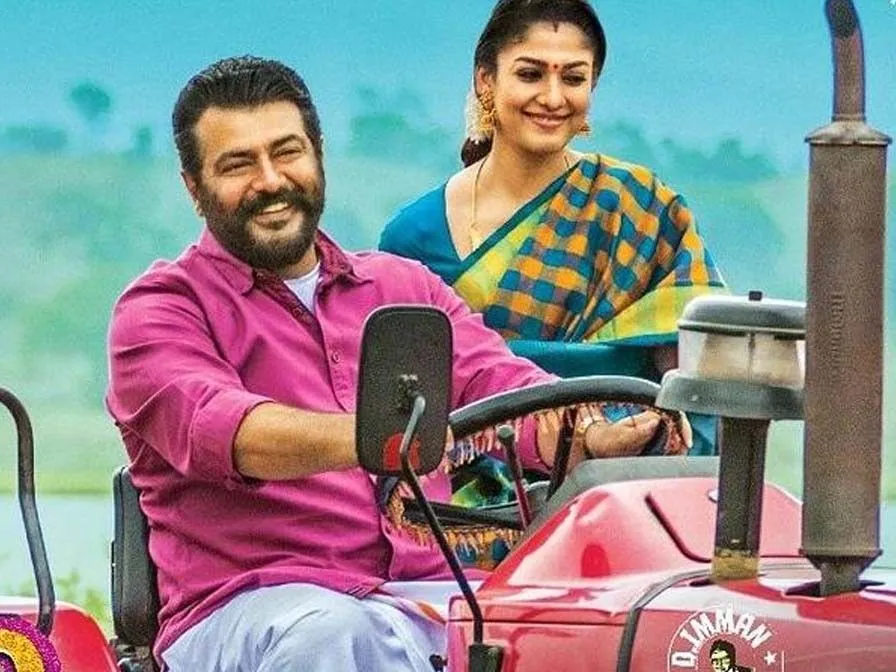
The romantic track involving Nayanthara’s character, Thankamani, has aged particularly poorly. Rather than emerging organically from the story, the relationship often feels inserted to provide song sequences and conventional hero-heroine moments. Reviewers at the time described Nayanthara’s role as that of a “glorified extra,” limited in scope and emotional weight. The chemistry and writing around the romance were widely regarded as forced and, in places, cringeworthy—an assessment that has only hardened with time as audience sensibilities around such portrayals have evolved.
In a film already struggling with tonal consistency, the romantic portions further diluted focus instead of providing relief or emotional grounding.
Performance Versus Material
Mammootty’s effort in the film is not in question. Accounts from the period note that he attempted to elevate the material through physicality, presence and commitment to the character’s swagger. Yet even a performer of his calibre could not overcome fundamental weaknesses in scripting, pacing and internal logic. When the writing prioritises surface-level mass moments over coherent character motivation or credible plotting, the limitations become impossible to disguise.
Supporting performances offered mixed results. Innocent brought his reliable mix of menace and humour to the antagonistic role, providing some of the film’s more watchable stretches. Other elements, however, struggled to rise above the uneven screenplay.
The “Pramod Pappanic Approach”
Director Pramod Pappan’s name has, in later online discourse, become shorthand for a certain style of commercial filmmaking: loud, logic-light, heavy on disguises, sudden tonal shifts and an apparent confidence that star power and formula will carry the day. Thaskaraveeran is frequently cited as a prime illustration of this tendency. The phrase “Pramod Pappanic Approach” captures the sense of a film that piles on commercial ingredients—action, romance, comedy, revenge—without sufficient attention to how they fit together or whether they serve a clear narrative purpose.
This is not to suggest that all of the director’s work followed the same pattern, but Thaskaraveeran remains the title most readily associated with the criticism.
Context Within a Larger Career
It is important to place the film in perspective. Mammootty’s body of work contains far more successes than missteps, and 2005 itself included stronger outings. Stars of his stature often appear in a high volume of films; not every project can be a carefully curated prestige vehicle. Thaskaraveeran belongs to the category of commercial experiments that did not land—films that reveal the risks of relying too heavily on formula, star presence and surface spectacle.
Nayanthara, then still early in her career, would go on to build a far more substantial filmography across industries. Her limited role here is better understood as a product of the film’s priorities than as a reflection of her later range.
Why the Film Still Gets Discussed
Bad films are common. What keeps Thaskaraveeran in circulation is the gap between the talent involved and the final result. When a major star known for meticulous performances headlines a project marked by mask-shifting absurdity, undercooked romance and structural confusion, the mismatch becomes memorable. Clips, dialogues and situations from the film continue to surface in online discussions, often as examples of how quickly a commercial enterprise can go off the rails.
The enduring lesson is straightforward. Star power can open a film and generate initial interest. It cannot permanently compensate for unclear writing, inconsistent logic and sequences that prioritise momentary effect over overall coherence. Thaskaraveeran stands as a cautionary case study in the limits of the “mass” formula when craft takes a back seat.
Mammootty’s career is defined by far greater achievements. Thaskaraveeran simply remains a reminder that even the best actors occasionally find themselves in projects that escape their control—and that audiences, both then and now, notice when the approach goes horribly wrong.
Read more – huggymonster.com

