
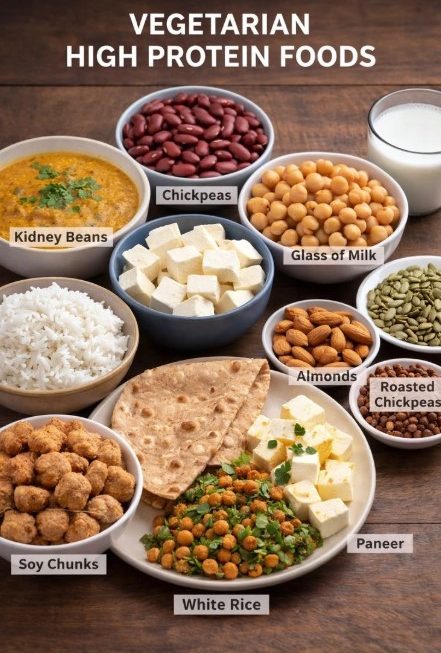
Protein is one of the most essential macronutrients for building and repairing tissues, supporting immune function, producing enzymes and hormones, and maintaining muscle mass. For vegetarians and those aiming to reduce animal products, meeting daily protein needs is entirely possible through a diverse and well-planned plant-based diet. In 2026, with growing awareness of sustainable eating and health benefits, vegetarian protein sources have gained significant popularity for their nutritional value, affordability, and versatility.
This article explores the best vegetarian protein foods to include in your daily meals for optimal health, energy, and longevity.
1. Lentils and Pulses: Affordable Protein Staples
Lentils (dal) are among the most accessible and nutrient-dense vegetarian protein sources. One cup of cooked lentils provides approximately 18 grams of protein along with high amounts of dietary fiber, iron, folate, and complex carbohydrates. They help regulate blood sugar, support heart health, and promote digestive wellness.
Different varieties — green, brown, red, and black lentils — offer slightly different textures and cooking times. Incorporate them into soups, salads, curries, or as a base for veggie burgers. Chickpeas (garbanzo beans) and other pulses like kidney beans, black beans, and moong dal also deliver 15–18 grams of protein per cooked cup. They are excellent for meal prepping and work well in hummus, chana masala, or roasted snacks.
2. Paneer and Dairy Products
For lacto-vegetarians, paneer (Indian cottage cheese) is a standout choice, offering 18–20 grams of protein per 100 grams. It is rich in calcium and easily digestible. Paneer can be grilled, stir-fried, added to curries, or used in salads and wraps. Greek yogurt and cottage cheese are also excellent options, providing 15–25 grams of protein per serving along with probiotics for gut health.
These dairy sources are complete proteins and help maintain muscle mass while supporting bone health. They are particularly useful for active individuals and older adults.
3. Soy Products: Complete Plant Proteins
Soy-based foods like tofu, tempeh, and edamame are complete proteins containing all nine essential amino acids. Tofu is versatile and absorbs flavors well, making it suitable for stir-fries, scrambles, and desserts. Tempeh, being fermented, offers additional gut health benefits and a firmer texture ideal for grilling. Edamame provides a convenient snack option with around 11 grams of protein per 100 grams.
These soy products are especially valuable for vegetarians seeking high-quality protein comparable to animal sources.
4. Quinoa and Ancient Grains
Quinoa stands out as a complete protein grain, offering about 8 grams of protein per cooked cup. It is also rich in magnesium, iron, and antioxidants. Other ancient grains like amaranth, buckwheat, and millets provide good protein content and are naturally gluten-free. These grains make excellent bases for salads, breakfast porridge, and pilafs.
5. Nuts and Seeds: Nutrient-Dense Snacks
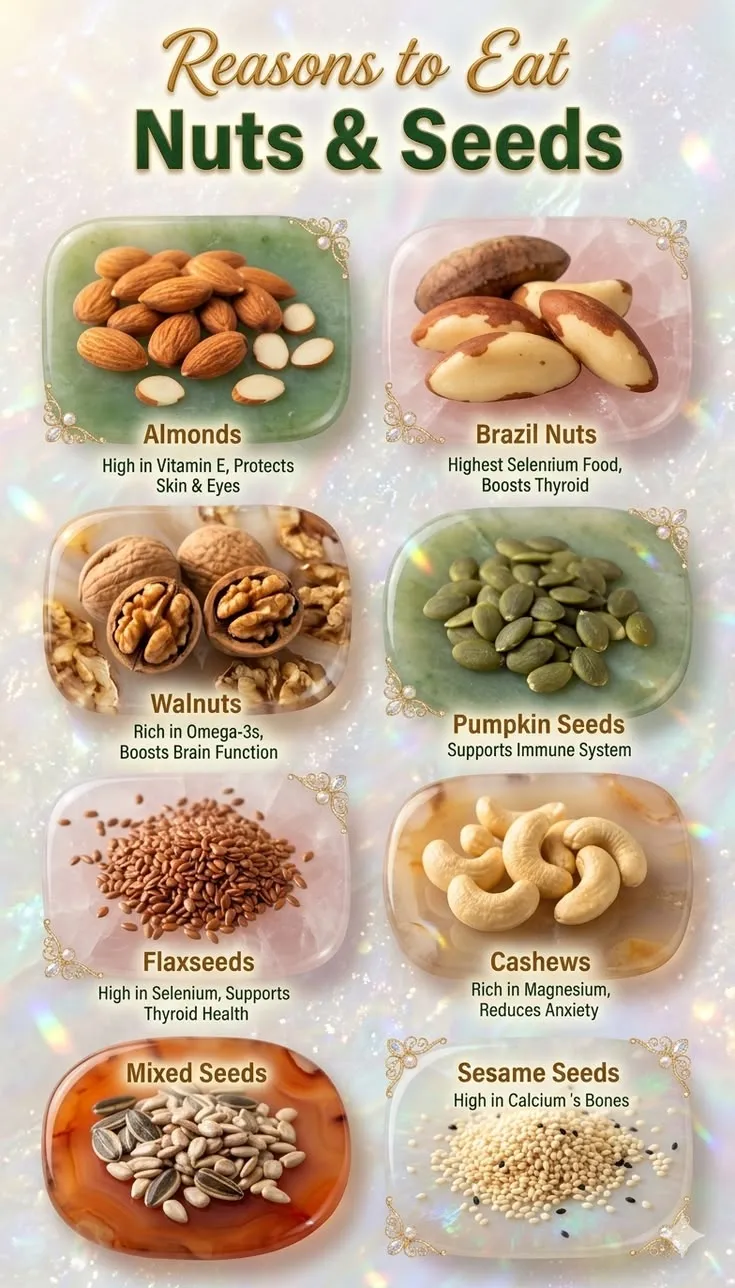
Nuts and seeds are concentrated sources of protein, healthy fats, and micronutrients. Almonds, walnuts, pumpkin seeds, chia seeds, and flaxseeds are excellent choices. A handful of mixed nuts can provide 6–10 grams of protein, while chia and hemp seeds are particularly rich in omega-3 fatty acids. Add them to smoothies, yogurt, oatmeal, or salads for a satisfying crunch and sustained energy.
6. Leafy Greens and Vegetables
While vegetables are not primary protein sources, certain ones like spinach, broccoli, and Brussels sprouts contribute meaningfully when consumed in larger portions. Combining them with grains and legumes creates balanced meals that meet daily protein requirements.
Building a Balanced Daily Protein Intake
Aim for 0.8–1.2 grams of protein per kilogram of body weight for sedentary to moderately active individuals, and higher amounts for those who exercise regularly. Distribute protein across meals rather than consuming it all at once for better absorption.
Sample Daily Meal Plan:
- Breakfast: Greek yogurt with berries, chia seeds, and almonds (20–25g protein)
- Lunch: Quinoa salad with chickpeas, paneer, and vegetables (25–30g protein)
- Snack: Roasted chickpeas or a boiled egg with nuts (10–15g protein)
- Dinner: Lentil curry with brown rice and spinach (20–25g protein)
Common Challenges and Solutions
Many vegetarians worry about protein deficiency. The solution lies in variety and adequate calorie intake. Focus on whole foods rather than heavily processed meat substitutes. Proper meal planning ensures all essential amino acids are covered through complementary proteins (e.g., rice and dal, or grains and legumes).
Long-Term Health Benefits
A well-balanced vegetarian diet rich in these protein sources supports muscle maintenance, stable energy levels, better digestion, heart health, and weight management. It also reduces inflammation and supports sustainable living. Studies consistently show that thoughtful plant-based eating can match or exceed the benefits of omnivorous diets when properly planned.
By incorporating a variety of these foods daily, you can enjoy delicious meals while meeting your nutritional needs. Start by adding one or two new options to your weekly menu and gradually expand your repertoire. With mindful eating and variety, a vegetarian lifestyle can be both satisfying and highly nutritious, supporting a strong, healthy, and active life for years to come.
Read more – trendiopr.com
