
Doomscrolling has become a quiet daily habit for many people. What begins as a quick check of messages often stretches into long stretches of aimless scrolling, leaving users feeling drained, distracted, and short of time. Professor Mamta Sood, a psychiatrist at AIIMS, emphasises that the solution is not to abandon smartphones but to use them with greater intention. Small, consistent changes can restore balance without requiring drastic digital detoxes.
Recognising When Phone Use Becomes Problematic
Smartphones are useful tools for communication, navigation, banking, and work. Dependence develops when usage starts interfering with daily life. Warning signs include constant checking, anxiety when the phone is unavailable, steadily increasing screen time, loss of control, and continued use despite knowing it harms work, relationships, or rest. A practical question to ask is whether the phone has begun disrupting normal functioning. If the answer is yes, deliberate adjustment is needed.
Apps are designed to hold attention through infinite scrolling, autoplay, frequent notifications, and quick rewards. Many people also turn to their phones to manage boredom, stress, loneliness, or anxiety. The fear of missing out further fuels the urge to stay connected. Over time the device shifts from a practical instrument to an emotional coping mechanism.
Starting with Purpose and Small Steps
The most effective starting point is purposeful use. Before unlocking the phone, decide the exact task that needs to be completed. Finish that task and put the device away instead of drifting into social feeds or videos. Attempting many changes at once usually fails. It is better to adopt one or two new habits, practise them consistently for several weeks, and only then add more.
Ten Practical Ways to Reduce Unhelpful Screen Time
Professor Sood outlines straightforward adjustments that create friction against automatic behaviour:
Turn off non-essential notifications. Constant alerts pull attention even when there is no real need to check the phone.
Remove distracting apps from the home screen so they are less immediately visible and tempting.
Switch the phone to grayscale mode. Colourful icons lose much of their visual pull when the display is black and white.
Delete social media applications from the phone and access them only on a laptop. This single change significantly reduces casual scrolling.
Keep the first 15 to 20 minutes after waking completely screen-free. Use that time to read a physical newspaper, stretch, or drink tea without digital interruption.
Designate one fixed place in the house for the phone rather than carrying it from room to room.
Write shopping lists by hand instead of relying on the phone.
For small everyday purchases, walk to a nearby shop instead of ordering everything online.
Replace unstructured screen time with planned offline activities such as walking, gardening, reading physical books, cooking, puzzles, or board games.
Protect sleep by winding down at least two hours before bed and keeping the bedroom as phone-free as possible.
These steps do not demand perfection. They simply interrupt the automatic pathways that lead to prolonged, unplanned use.
The Value of Going Analogue and Tolerating Boredom
Reintroducing offline activities that screens have replaced helps rebalance daily life. Handwritten lists, quiet morning routines, and physical errands reduce the reflex to reach for the phone. Equally important is learning to tolerate short periods of boredom. Constant digital stimulation leaves little room for the brain networks involved in reflection, memory, creativity, and emotional processing. Allowing the mind to rest without immediate input is itself a form of recovery.
Digital detox attempts often fail because the phone is removed without a clear alternative. Boredom then drives people straight back to the screen. Having ready replacement activities prevents this rebound.
Why Sleep Deserves Special Protection
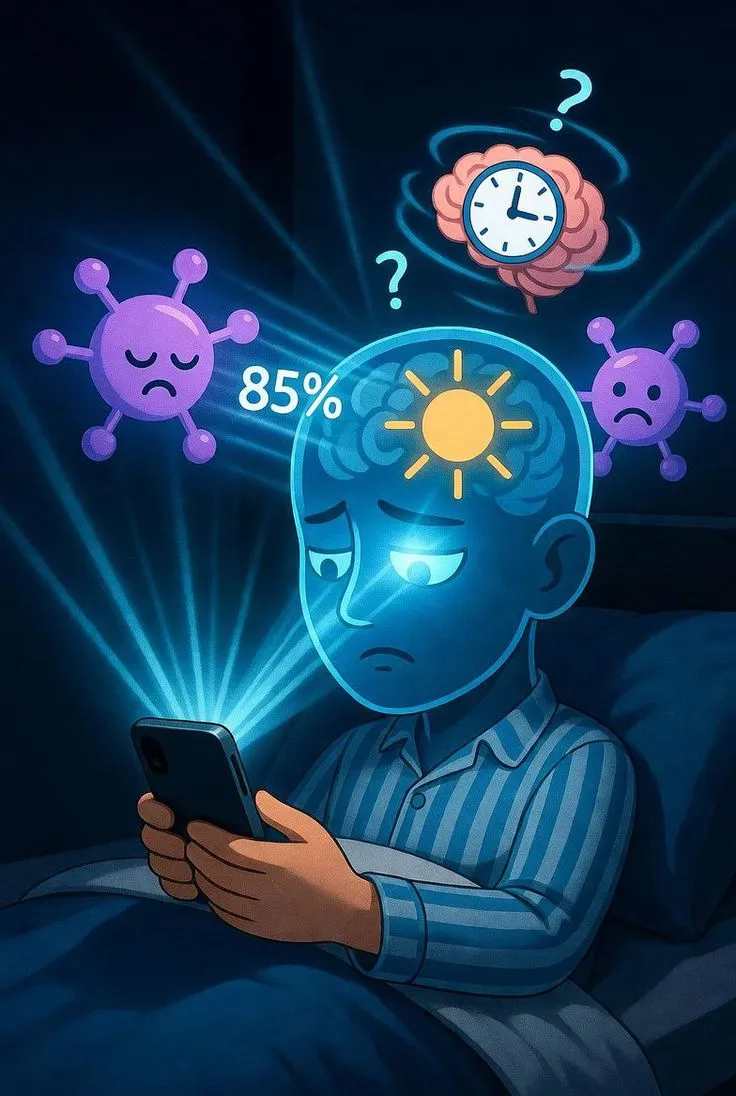
Late-night scrolling is particularly damaging. It delays sleep onset and disrupts the body’s natural circadian rhythm. Sleep is the period when the brain consolidates memories, regulates emotions, and the body repairs itself. Beginning a wind-down routine two hours before bedtime and keeping devices out of the bedroom often reduces overall screen time more effectively than attempts to delete apps or quit social media entirely.
Building a Healthier Mindset
The goal is not a battle against technology. Smartphones remain powerful and useful tools. The shift required is from treating the phone as a toy that fills every spare moment to treating it as an instrument used for specific purposes. Listing the actual functions the phone serves in a typical day helps separate essential uses from habitual scrolling.
Balance, not perfection, is the realistic target. When usage becomes intentional, people gradually regain control over their time, attention, and sense of well-being. The ten simple practices recommended by Professor Sood offer a practical route to that healthier relationship—one small, sustainable change at a time.
Read more – ccreatived.com
