Indian-origin NASA astronaut Anil Menon is scheduled to step outside the International Space Station for the first time, beginning a spacewalk expected to last approximately seven hours. Working hundreds of kilometres above Earth, he will join veteran astronaut Jessica Meir to install critical hardware that will expand the station’s solar power capacity and support its long-term operations.
The extravehicular activity, designated US Spacewalk 96, marks a significant milestone in Menon’s first spaceflight. The pair will exit through the Quest airlock to perform precise work on the station’s exterior structure.
Preparing the Station for New Solar Arrays
The primary objective of the spacewalk is to modify the 3B power channel on the Starboard 6 truss. The astronauts will install hardware that prepares the channel to receive electrical output from a new International Space Station Roll-Out Solar Array, or iROSA. This will be the seventh such array to be installed on the orbital laboratory, with delivery planned for later in the year.
The original solar array wings on the station were designed for a service life of about 15 years and have continued operating well beyond that period. As their output has gradually declined, the addition of roll-out arrays has become essential. Each new iROSA is smaller and lighter than the legacy panels yet generates significantly more electricity. Once connected, the seventh array will increase overall power available for scientific experiments, daily station systems and the complex procedures required for the eventual safe and controlled deorbit of the laboratory.
Menon will serve as spacewalk crew member 2 in an unmarked spacesuit, while Meir, making her sixth career spacewalk, will lead as crew member 1 in a suit marked with red stripes. The work demands careful coordination, tool management and constant communication with flight controllers on the ground.
A Broader Series of Upgrades
This spacewalk is the first of three planned outings involving Menon and Meir. A second excursion is scheduled for mid-August to replace a Space-to-Ground antenna, a key communications system that transmits data and high-speed signals between the station and Mission Control in Houston. A third spacewalk later in the month will focus on connecting power channel cables and data relay systems, further supporting both ongoing maintenance and preparations for the station’s future end-of-life operations.
Together, the three excursions form part of the continuous effort to keep the International Space Station functional and productive as it approaches the later years of its operational life. The additional power capacity is viewed as particularly important for maintaining research capabilities while ensuring systems remain robust enough for a controlled deorbit when that phase arrives.
Anil Menon’s Path to the Airlock
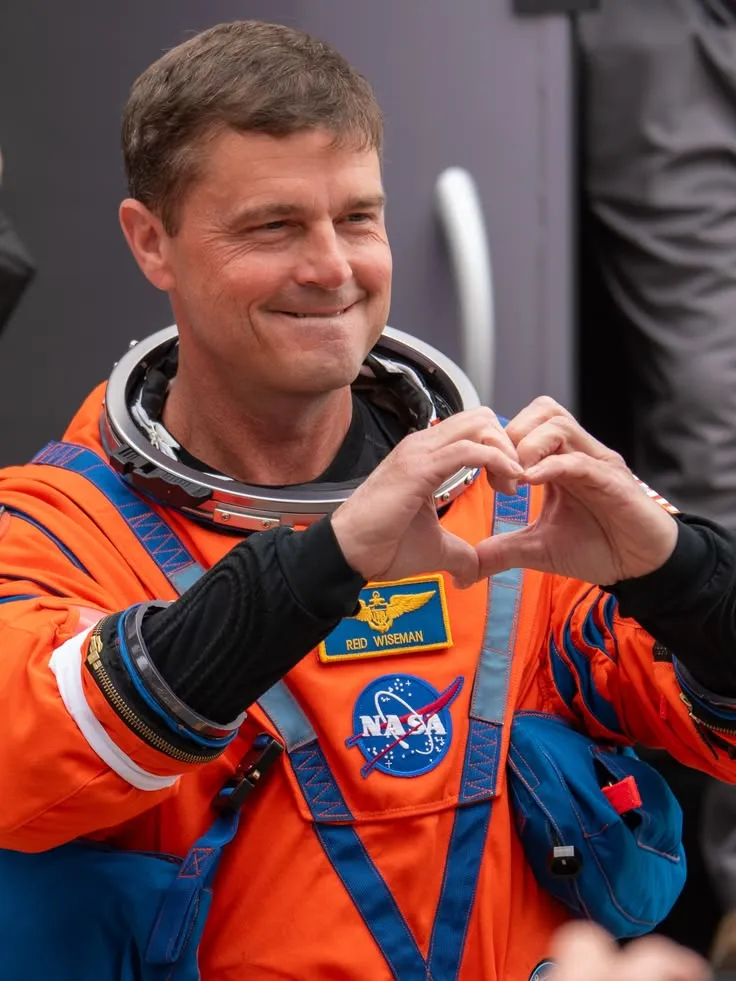
Menon’s presence outside the station represents the culmination of a varied career that bridges medicine, engineering and human spaceflight support. Born and raised in Minneapolis to Ukrainian and Indian immigrant parents, he traces his paternal roots to Kerala. He trained as an emergency medicine physician and mechanical engineer and holds the rank of colonel in the United States Space Force.
Before being selected as a NASA astronaut in 2021, Menon served as a flight surgeon for both NASA and SpaceX. At SpaceX he was the company’s first flight surgeon, helping establish medical support for its early crewed missions, including the Demo-2 flight that returned human spaceflight capability to the United States. He previously supported multiple long-duration International Space Station crews and gained experience in aerospace medicine, critical care transport and high-performance aircraft operations.
He launched to the station on 14 July 2026 aboard the Soyuz MS-29 spacecraft with Russian cosmonauts Pyotr Dubrov and Anna Kikina. The crew is expected to spend roughly eight months in orbit as part of Expeditions 74 and 75 before returning to Earth in the spring of 2027. During the mission Menon is also contributing to research on the effects of long-duration spaceflight on the human body, including studies of blood flow and related physiological changes, as well as technology demonstrations relevant to future exploration.
The Demands of Working in Open Space
A spacewalk of this length requires meticulous preparation. Astronauts must manage the physical challenges of working in a pressurised suit, the thermal extremes of sunlight and shadow, and the need to complete complex mechanical tasks while floating in microgravity. Every tool and bolt is accounted for; every movement is planned and rehearsed on the ground in neutral buoyancy facilities.
For Menon, the outing carries the added significance of a first career extravehicular activity. For Meir, it adds to an already substantial record of exterior work on the station. Their combined effort will contribute directly to the power infrastructure that keeps the laboratory running and supports the scientific return that justifies its continued operation.
Looking Ahead
The successful installation of the preparatory hardware will clear the way for the arrival and deployment of the seventh roll-out solar array later this year. That addition will form part of a broader strategy to sustain the station’s capabilities through its remaining years. At the same time, the spacewalks themselves continue a long tradition of astronauts performing hands-on maintenance and upgrades that cannot be accomplished by robotic means alone.
As Menon begins his first hours outside the International Space Station, the focus remains on precise execution of the assigned tasks. The work may appear technical and specialised, yet its purpose is straightforward: to keep a unique orbiting laboratory supplied with the power it needs to conduct research, support its crew and ultimately complete its mission safely. For an astronaut whose career has already spanned emergency medicine, flight surgery and human spaceflight support, the spacewalk represents both a personal milestone and a practical contribution to the continued operation of one of humanity’s most complex engineering achievements.
Read more – heraldwhig.com