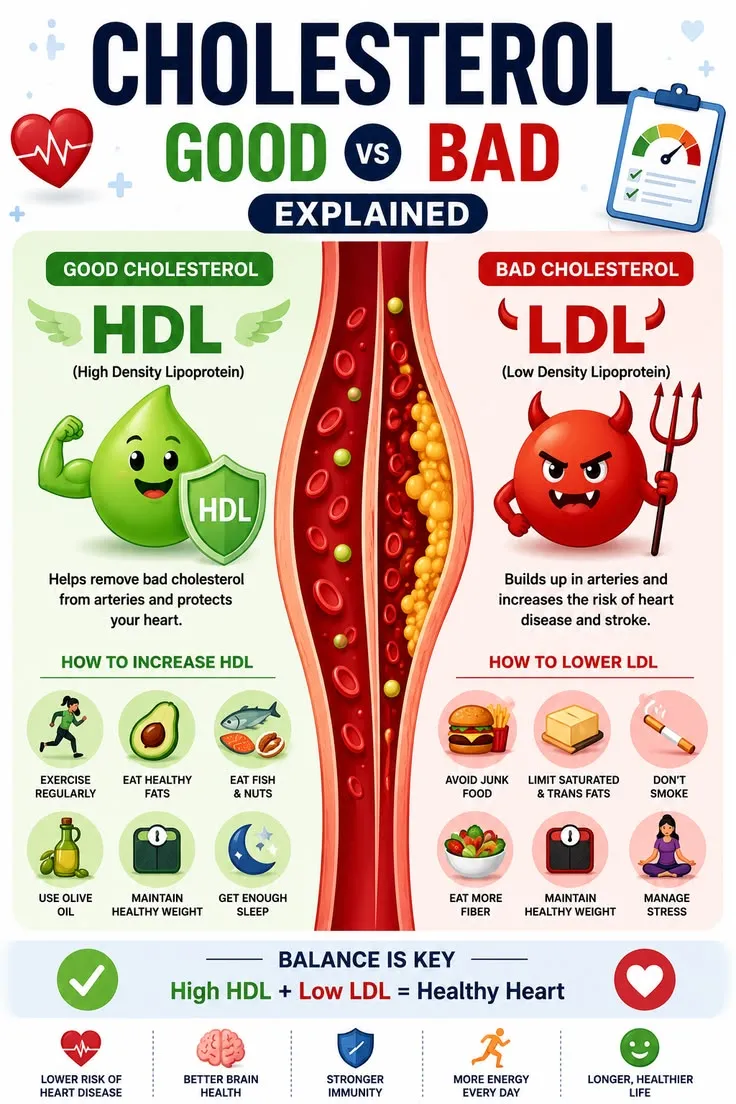
Familial hypercholesterolaemia is an inherited genetic condition that causes dangerously high levels of low-density lipoprotein, or LDL cholesterol, from birth. Unlike lifestyle-related high cholesterol, this disorder stems from gene changes that impair the body’s ability to clear excess cholesterol from the blood. The result is a lifelong elevated risk of early heart disease and stroke, even in people who follow careful diets and exercise routines.
Three individuals from different generations illustrate how the condition unfolds across a lifetime. Their experiences highlight why early detection and uninterrupted treatment are essential.
A Childhood Labelled as Laziness
Pritam Chawla was eight years old when he was often left out of games. He tired easily after mild activity, felt heavy after meals and avoided exercise classes. Teachers and peers sometimes called him lazy. His father, aware of a family history of high cholesterol, arranged testing. The results revealed elevated LDL levels that required paediatric medication.
Now 27 and pursuing further studies, Pritam continues a strict regimen of oral tablets and injectable therapies. His cholesterol remains significantly above recommended targets despite treatment. Doctors explain that in familial hypercholesterolaemia the liver’s mechanism for removing LDL functions at reduced capacity. Cholesterol therefore lingers longer in the bloodstream and accumulates from childhood onward. Healthy eating and activity support overall cardiovascular health but cannot fully overcome the genetic impairment.
Pritam’s daily routine centres on medication adherence. Missing doses or irregular use can cause rapid spikes in LDL. Specialists stress that patients must maintain consistent control, often aiming for LDL levels below 50 mg/dL when additional risk factors or early signs of heart disease are present.
A Heart Attack Despite an Exemplary Lifestyle
Saket Sharma, a businessman in his forties, followed many of the rules associated with heart health. He never smoked, remained a vegetarian and teetotaller, walked regularly, practised yoga and maintained a lean weight. Yet at the age of 38 he suffered a major heart attack. He later underwent angioplasty on two occasions.
His LDL cholesterol stayed elevated even after the procedures. He also developed muscle pain that limited the use of certain statin medications. He is now treated with a twice-yearly injectable therapy designed to improve the liver’s ability to clear LDL more effectively. For Saket, one of the most difficult aspects has been seeing the condition appear in the next generation. Both his son and daughter have begun cholesterol medication. Family members on both sides have histories of high cholesterol or early cardiac events.
This pattern is common in familial hypercholesterolaemia. The genetic change is passed from parent to child with a 50 percent chance in each pregnancy when one parent carries the mutation. Cascade screening of first-degree relatives is therefore strongly recommended once an individual is diagnosed.
Silent Heart Attacks in Later Life
Sunil Bhatt, 72, experienced chest heaviness for years that was initially attributed to acidity. Only after a more severe episode did tests reveal extensive blockages in major coronary arteries. Doctors later determined he had already suffered three silent heart attacks before the event that brought him to hospital.
His case proved challenging to manage. Persistently high LDL and muscle pain restricted conventional statin therapy. Injectable treatments became necessary, though their cost places a significant burden on many patients. Beyond medication, Sunil maintains disciplined habits around diet, exercise and sleep so he can remain active with his grandchildren.
Why Lifelong Treatment Is Non-Negotiable
Familial hypercholesterolaemia is not rare. Estimates suggest it affects roughly one in 250 people, yet the majority remain undiagnosed until a cardiac event occurs. Indians appear to face a particularly severe burden of early-onset heart disease linked to the condition.
Standard cholesterol-lowering drugs such as statins are often insufficient on their own. Many patients require combination therapy that may include agents reducing intestinal cholesterol absorption, drugs that further limit cholesterol production, and injectable or emerging oral therapies that target the PCSK9 pathway. These advanced options can lower LDL substantially but remain expensive for large numbers of patients. Newer oral formulations currently in the regulatory pipeline may eventually improve accessibility.
Experts emphasise two parallel requirements: continuous lifestyle attention and rigorous medication management. Lifestyle measures never replace drug therapy in this genetic disorder, yet they remain important for overall risk reduction. Equally critical is early screening. Children with a family history of very high cholesterol or premature heart disease should be tested from a young age. Adults with relevant family histories need lipid profiles and cardiac evaluation beginning in their twenties, with more frequent follow-up when risk is elevated.
Living with an Invisible Inheritance
The three stories share a common thread. Symptoms or complications may be misattributed for years—laziness in childhood, indigestion in middle age, or silent damage in later life—until testing reveals the underlying genetic cause. Once identified, the condition demands lifelong vigilance. Treatment is not a short course but a continuous strategy aimed at keeping LDL as low as possible and preventing the progressive buildup of arterial plaque.
Cascade screening within families offers one of the most effective ways to interrupt the cycle. When one person is diagnosed, relatives can be evaluated and, if affected, started on therapy before irreversible damage occurs. Public awareness that high cholesterol can be inherited from birth, rather than solely the result of diet or inactivity, is equally important.
Familial hypercholesterolaemia turns cholesterol management into a multi-generational responsibility. For those living with it, the fight against elevated LDL is permanent. With consistent medical care, appropriate therapies and informed family screening, the risk of early heart disease can be substantially reduced, allowing individuals to protect both their own health and that of the generations that follow.
Read more – ballex.net