
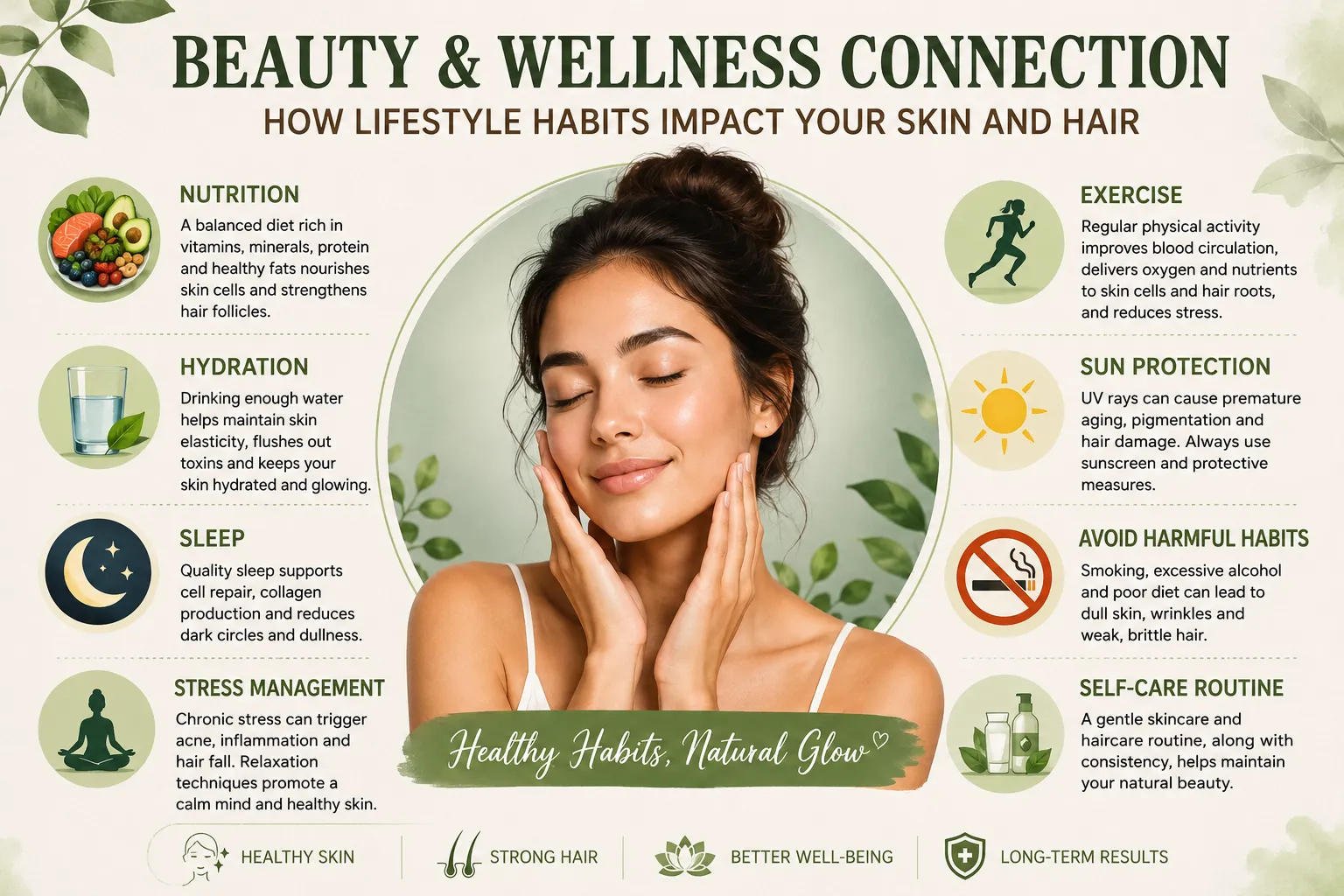
In today’s fast-paced world, many people invest heavily in skincare products, hair treatments, and cosmetic procedures in pursuit of healthy skin and beautiful hair. While these external solutions can certainly help, experts increasingly agree that true beauty begins from within. The condition of your skin and hair often reflects your overall health, making wellness and beauty deeply interconnected.
Factors such as nutrition, sleep quality, stress levels, physical activity, and hydration play a significant role in determining how your skin looks and how strong and healthy your hair remains. Understanding this connection can help you build habits that promote long-term beauty naturally rather than relying solely on temporary cosmetic fixes.
The Skin and Hair Reflect Your Internal Health
Skin is the body’s largest organ, while hair is closely connected to the body’s nutritional and hormonal status. Both require a continuous supply of nutrients, oxygen, and proper circulation to function effectively.
When the body experiences nutritional deficiencies, chronic stress, inadequate sleep, or dehydration, the effects often become visible through dull skin, premature aging, acne breakouts, hair thinning, excessive shedding, and weakened hair strands. Conversely, healthy lifestyle choices can improve skin texture, enhance natural glow, and support stronger hair growth.
This is why dermatologists often emphasize a holistic approach to beauty that combines skincare with healthy daily habits.
Nutrition: The Foundation of Healthy Skin and Hair
A balanced diet is one of the most important factors influencing beauty and wellness. The skin and hair require essential vitamins, minerals, proteins, and healthy fats to maintain their structure and function.
Protein is especially important because hair is primarily composed of keratin, a structural protein. Insufficient protein intake may contribute to weaker hair and slower growth. Similarly, vitamins such as A, C, E, and several B vitamins support skin repair and cellular renewal.
Minerals including iron, zinc, selenium, and copper are also essential for healthy skin and hair. Deficiencies in these nutrients have been associated with hair loss, brittle hair, and various skin concerns.
Foods that support skin and hair health include:
- Leafy green vegetables
- Berries and colorful fruits
- Nuts and seeds
- Fatty fish rich in omega-3 fatty acids
- Eggs
- Legumes
- Whole grains
At the same time, excessive consumption of highly processed foods, refined sugars, and unhealthy fats may contribute to inflammation, which can negatively affect skin appearance and overall wellness.
Hydration and Its Role in Beauty
Water plays a vital role in maintaining overall health, including skin function. Proper hydration supports circulation, nutrient transport, and normal skin barrier function.
When the body is dehydrated, the skin may appear dry, dull, and less resilient. Adequate hydration helps support the skin’s natural protective barrier, which is essential for maintaining moisture and defending against environmental stressors.
While drinking more water alone is not a miracle solution for flawless skin, maintaining proper hydration as part of a healthy lifestyle contributes to overall skin health and wellness.
Hydration can also influence scalp health, which indirectly supports healthy hair growth. Combining adequate water intake with nutrient-rich foods offers the best results.
The Importance of Quality Sleep
The phrase “beauty sleep” exists for a reason. During sleep, the body undergoes important repair and recovery processes. Research suggests that skin repair, collagen production, and cellular regeneration are particularly active during restful sleep.
Poor sleep habits can lead to:
- Dull-looking skin
- Increased signs of fatigue
- Dark circles under the eyes
- Reduced skin hydration
- Greater susceptibility to inflammation
Sleep deprivation can also elevate cortisol, commonly known as the stress hormone. Higher cortisol levels may interfere with the body’s natural repair processes and can negatively affect both skin and hair health.
Most adults benefit from approximately seven to nine hours of quality sleep each night. Establishing a consistent sleep schedule and creating a relaxing bedtime routine can help improve sleep quality and support healthier skin and hair.
Stress Management and Beauty
Modern lifestyles often involve constant pressure, deadlines, and digital overload. Unfortunately, chronic stress can significantly impact appearance.
Stress triggers hormonal responses that may increase oil production, worsen inflammation, and contribute to acne breakouts. Studies have also linked prolonged stress to various skin concerns and certain forms of hair loss.
Hair follicles are particularly sensitive to physical and emotional stress. As a result, periods of intense stress may lead to increased hair shedding and slower hair growth.
Effective stress management techniques include:
- Meditation
- Deep breathing exercises
- Yoga
- Regular physical activity
- Spending time in nature
- Engaging in hobbies
- Maintaining strong social connections
Managing stress not only improves mental well-being but may also help support healthier skin and stronger hair over time.
Exercise Supports Beauty from Within
Physical activity benefits nearly every system in the body, including the skin.
Regular exercise improves blood circulation, helping deliver oxygen and nutrients to skin cells and hair follicles. Enhanced circulation supports cellular repair and may contribute to a healthier complexion.
Exercise also helps regulate stress levels and supports better sleep quality, creating additional benefits for skin and hair health.
Activities such as walking, jogging, cycling, swimming, strength training, and yoga can all contribute to overall wellness. The goal is consistency rather than intensity.
Even 30 minutes of moderate activity most days of the week can provide meaningful health and beauty benefits.
Lifestyle Habits That Accelerate Aging
Certain lifestyle choices can undermine even the most expensive skincare routine.
Common habits that may negatively affect skin and hair include:
- Smoking
- Excessive alcohol consumption
- Chronic sleep deprivation
- High-stress lifestyles
- Poor nutrition
- Sedentary behavior
- Excessive sun exposure without protection
These factors may contribute to increased oxidative stress and inflammation, both of which are associated with premature skin aging and hair damage.
Adopting healthier habits often produces more sustainable results than relying solely on cosmetic products.
Creating a Holistic Beauty Routine
A truly effective beauty routine extends beyond cleansers, serums, and hair masks. Long-lasting results come from supporting the body’s natural ability to repair, regenerate, and protect itself.
A holistic beauty approach should include:
- Balanced nutrition
- Daily hydration
- Regular exercise
- Consistent sleep habits
- Stress management
- Proper skincare and haircare
- Sun protection
When these elements work together, they create a strong foundation for healthier skin, stronger hair, and improved overall well-being.
Conclusion
The connection between beauty and wellness is stronger than ever. Healthy skin and vibrant hair are not simply the result of external products but are often reflections of internal health. Nutrition, hydration, sleep, exercise, and stress management all play essential roles in supporting the body’s natural beauty processes.
Rather than searching for quick fixes, focusing on sustainable lifestyle habits can deliver long-term benefits that improve both appearance and overall quality of life. By prioritizing wellness from the inside out, you can help your skin glow naturally and keep your hair looking healthy, strong, and resilient for years to come.
