
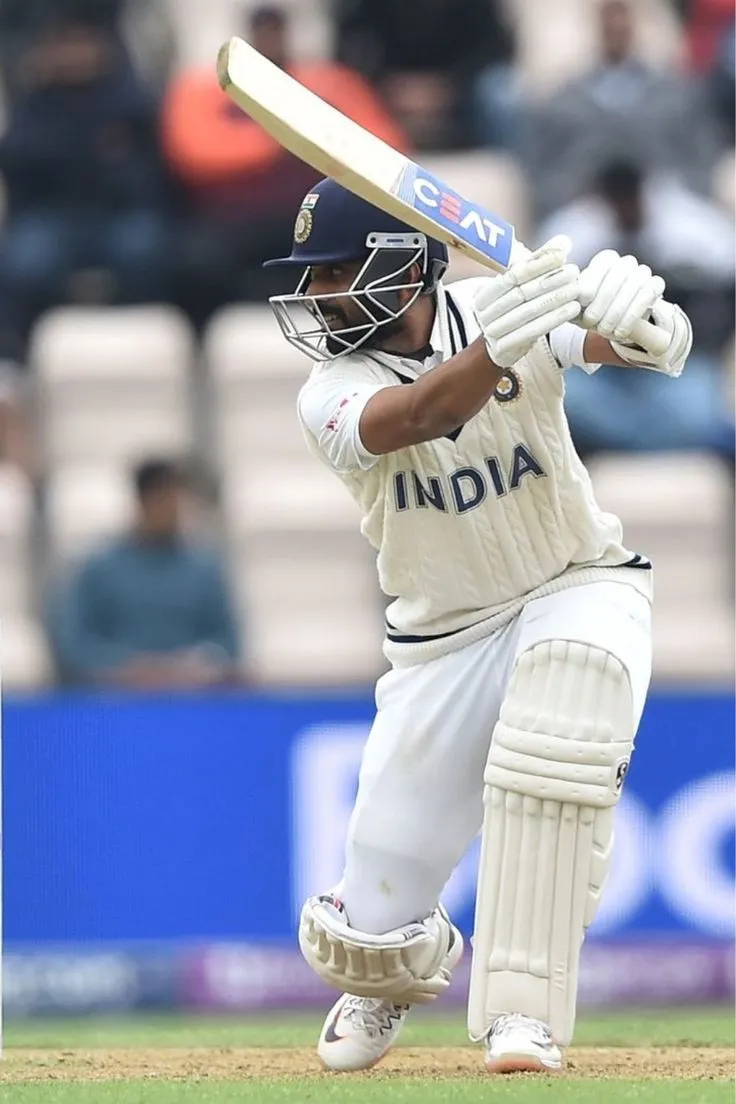
In the opening Test of the 2020-21 Border-Gavaskar Trophy in Adelaide, India suffered one of the most shocking collapses in their history. Bowled out for just 36, their lowest total in Test cricket, the team faced not only a heavy defeat but a wave of external scepticism. With regular captain Virat Kohli returning home after the match, the leadership responsibility fell to Ajinkya Rahane. What followed was a remarkable turnaround that ended in a 2-1 series victory for an injury-ravaged Indian side. Years later, Rahane has revealed the quiet psychological approach that helped make it possible.
The Adelaide Collapse and the Pressure That Followed
India had actually led on first innings in Adelaide before the second-innings disaster unfolded. The rapid disintegration left the dressing room stunned. Outside, the narrative quickly hardened. Talk of a possible 4-0 whitewash filled discussions, and many observers wrote off India’s chances of competing further in the series.
Rahane, who had served as Kohli’s deputy, stepped into the captaincy role at this precise low point. He has since described the personal reaction with unusual candour. “I was nervous, frankly. I’ll be really honest,” he said while speaking at a panel discussion. The weight of expectation, the recent humiliation, and the knowledge that the remaining squad would soon be further depleted by injuries all contributed to the pressure.
Choosing the Bluff as a Leadership Tool
Rather than display that nervousness, Rahane consciously chose a different path. He decided to project an image of calm confidence to three critical audiences at once: his own teammates, the Australian opposition, and the media. “The most important learning and the most important thing for me was to bluff in front of my teammates, bluff in front of the Aussies, and bluff in front of the media,” he explained. “I think the bluff, that really worked.”
This was not empty bravado. It was a deliberate strategy of emotional management. By refusing to show doubt, Rahane aimed to prevent the Adelaide result from defining the rest of the tour. He understood that visible uncertainty from the captain would likely amplify the anxiety already circulating within a young and increasingly patched-up squad.
Speaking to the Team: Focus on Privilege and Process
Inside the dressing room, Rahane delivered a clear and consistent message. He reminded the players that they were the fortunate ones chosen to represent India at that moment. Many others aspired to wear the same jersey but would never get the opportunity. Luck, he noted, played a significant role in careers, and those present should not take their position lightly.
Equally important was the instruction to detach from the final result. “Let’s forget about the result and the outcome; whatever happens, day four, day five, we will take it. I will take all the responsibility, but let’s enjoy the game and play for each other,” he told them. The emphasis shifted from the scoreboard to collective effort and mutual support. By accepting full responsibility for the outcomes himself, Rahane removed a layer of individual pressure from players already dealing with the aftermath of the Adelaide collapse.
Leading Through Mounting Injuries
The physical challenges only intensified as the series progressed. Players continued to break down. By the time the team reached the final Test at the Gabba in Brisbane, India were operating with a severely depleted squad and, in Rahane’s recollection, essentially only eleven fit players available. Under ordinary circumstances, such attrition would have made a competitive series almost impossible.
Yet the side kept responding. A hard-fought win in Melbourne levelled the series. Further resilience in Sydney and the famous victory in Brisbane completed a 2-1 triumph. Throughout, Rahane maintained the outward composure he had decided upon after Adelaide. The bluff, as he later described it, remained in place even as the list of available players grew shorter.
The Wider Significance of the Approach
Rahane’s method was rooted in emotional intelligence rather than tactical innovation alone. Cricket teams often respond to visible leadership cues. A captain who appears shaken can transmit that state of mind; one who projects steadiness can create space for others to recover their own confidence. By controlling the narrative both inside and outside the team environment, Rahane helped prevent the Adelaide total from becoming a self-fulfilling prophecy.
The strategy also reflected an understanding of the media environment surrounding high-profile series. Continuous external commentary about a possible whitewash could easily have seeped into the dressing room. By presenting a consistent front of determination, Rahane limited the oxygen available to that narrative.
A Lasting Example of Quiet Leadership
The 2020-21 series has since become one of the most celebrated chapters in modern Indian Test cricket. It demonstrated the depth of the squad and the capacity of a stand-in captain to steady a side under extreme circumstances. Rahane’s recent reflections add a personal layer to that story. They show that the recovery was not only about skill and courage on the field but also about a calculated decision, taken in a moment of private doubt, to refuse to display that doubt.
In admitting both the nervousness and the deliberate bluff, Rahane has offered a rare insight into the psychological demands of leadership at the highest level. The Adelaide collapse remains a low point in India’s record books. The response that followed, guided by a captain who chose composure over candour in public, stands as one of the most impressive collective recoveries in the team’s recent history. The bluff, as he noted, really did work.
Read more – Aeshikshakosh.com
