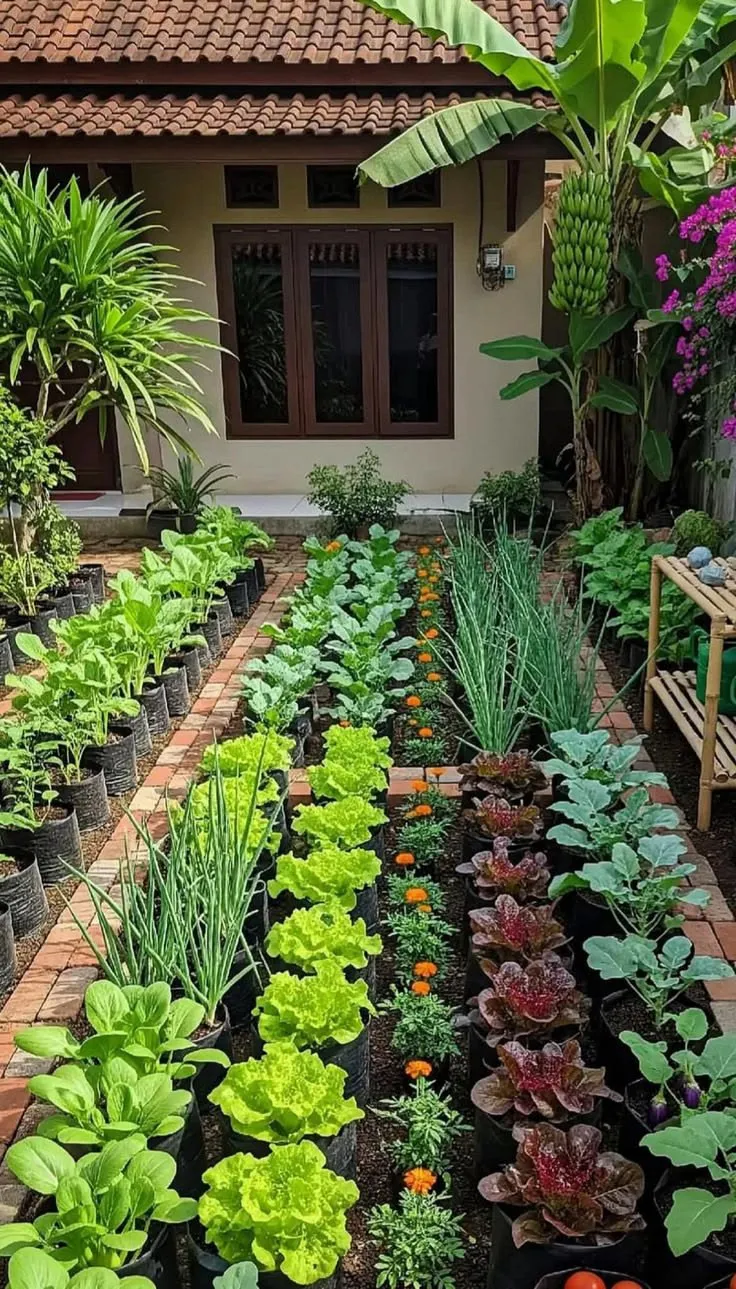
Urban consumers increasingly want to know exactly where their food comes from and how it is grown. Concerns about pesticide residues, inconsistent organic claims in the market, and limited balcony or terrace space have created demand for alternative ways to access fresh produce. Across parts of India, services now allow people to rent dedicated plots or subscribe to managed farms that deliver seasonal, pesticide-free vegetables.
These models range from hands-off weekly deliveries to more participatory arrangements where customers can visit and help cultivate their allotted land. They address a practical gap: many city dwellers lack the space, time or expertise for a full kitchen garden yet still want greater transparency and control over what reaches their table.
Subscription Models That Deliver to Your Door
In Punjab, one operator offers customers a dedicated plot of around 150 square yards for a six-month season. The arrangement is designed to supply roughly 60 to 70 per cent of the weekly vegetable and salad needs of a family of four or five, depending on the season. Six-month subscriptions are priced at Rs 35,000 in Patiala and Rs 40,000 in the Chandigarh Tricity and Ludhiana areas. Weekly home delivery is included.
The focus is on pesticide-free seasonal produce grown on the allocated land. Customers receive a steady supply without needing to manage daily cultivation themselves. This approach suits households that prioritise reliability and reduced exposure to chemical inputs while remaining within urban or semi-urban reach of the farm locations.
Renting a Plot and Taking Part in Growing
A different model operates in Tamil Nadu. At a 14-acre permaculture farm near Rettanai village, customers can rent a plot of approximately 3,000 square feet, with larger areas available. The quoted rate is Rs 15,000 per month for a 3,000-square-foot plot. The farm provides essential support including water, electricity and manual labour, allowing participants to engage with the growing process if they choose.
This option appeals to those who want a more direct connection to the land and the cultivation cycle. Visitors can observe or assist with activities while the farm handles the heavier operational requirements. The setting includes fruit trees, vegetables, greens, paddy and pulses, offering a broader experience than a simple vegetable box scheme.
Broader Landscape of Urban Farming Access
Similar ideas have taken root in other regions. In the Delhi-NCR area, services enable people to rent plots at managed farms and receive organic seasonal vegetables and herbs grown on their behalf, often with guidance and home delivery. In Bengaluru, models have allowed renting land at rates around Rs 2 per square foot, with the organisation supplying seeds, labour, organic manure and expertise. Customers select what to grow and collect chemical-free harvests.
In Visakhapatnam, a rent-a-farm approach has offered families a 600-square-foot plot for three months at a monthly cost of Rs 2,400. Participants choose from a list of vegetables, and farm labourers handle organic cultivation with weekend deliveries of several kilos of produce. These examples show that the core concept—access to land and professional support without needing to own agricultural property—has been adapted to different city contexts and price points.
Costs, Benefits and Realistic Expectations
Renting land or subscribing to a farm is not always the cheapest way to obtain vegetables. Market prices for conventional produce can be lower, especially when bulk or seasonal gluts occur. The value instead lies in the assurance of pesticide-free methods, seasonal freshness, and a clearer chain of custody from soil to kitchen. For many participants the arrangement also provides educational insight into how food is grown and a sense of involvement that supermarket shopping cannot match.
A plot of the sizes commonly offered can meaningfully reduce dependence on external vegetable purchases for a household, particularly for salads, leafy greens and everyday vegetables. Delivery options remove the need for regular farm visits, making the service practical for busy urban schedules. Where participation is encouraged, families gain hands-on experience and a stronger appreciation for the effort involved in cultivation.
Accessibility remains uneven. Current offerings are concentrated in specific cities and surrounding districts—Punjab locations, parts of Tamil Nadu, Delhi-NCR and select southern cities. Availability depends on local operators securing suitable land, managing logistics and maintaining organic or natural practices. Scaling these models requires consistent water, labour and transport infrastructure, which can limit rapid expansion.
Why Interest Is Growing
Rising awareness of food safety has driven demand. Shoppers often encounter produce labelled organic without independent verification of cultivation methods. Renting a plot or subscribing to a managed farm reduces that uncertainty by linking the customer more directly to a specific piece of land and a known set of practices. Health considerations, particularly around long-term exposure to chemical residues, further motivate households with children or members managing chronic conditions.
Environmental factors also play a role. Supporting smaller-scale, chemical-minimal farming can reduce pressure on soil health compared with intensive conventional systems. Some participants value the opportunity to reconnect with seasonal rhythms and native or traditional crop varieties that may be less common in mainstream retail channels.
Is This the Future of Urban Food Access?
These rental and subscription models represent a practical middle path between full self-sufficiency and complete reliance on commercial supply chains. They do not replace kitchen gardens where space exists, nor do they eliminate the need for broader agricultural improvements. However, they offer a workable solution for the large number of urban residents who lack private outdoor growing space yet want fresher, more transparent produce.
Success will depend on continued reliability of supply, transparent pricing, and the ability of operators to maintain standards as demand grows. For now, the services provide a tangible way for city dwellers to move closer to the source of their food. Whether the model expands widely or remains a niche option, it already demonstrates that lack of personal land need not completely separate urban households from the process of growing vegetables. In an era of heightened attention to diet and food origins, that connection holds clear appeal.
Read more – Hairstylespark.com